
Snap-back zones refer to specific danger areas on deck around mooring lines where, if a rope or wire parts under tension, it will snap back violently. If a mooring line breaks, the elastic energy stored is released in an instant, thereby causing the rope to whip back across the deck with enormous force. Anyone who might be standing in the snap-back zone will suffer serious injury or even death. Understanding these zones, properly marking them, and training the crew accordingly to avoid them while carrying out mooring are important parts of safe seamanship.
Why Snap-Back Occurs
Mooring ropes and wires stretch when they are under load. This stretch stores potential energy. When the rope suddenly parts due to overload, chafing, surge loads, or equipment failure, all the stored energy is released in a fraction of a second. The rope snaps back along its line of tension, following a predictable but extremely dangerous path. The heavier and more elastic the rope, the more violent the snap-back.
Synthetic ropes like nylon and HMPE display high elasticity and are capable of recoiling with tremendous velocity. Wires do not show as much elasticity, but when they part, the release of dangerous energy and metal fragments is highly hazardous. This combination makes snap-back one of the most critical hazards during mooring.
What Exactly Is a Snap-Back Zone
A snap-back zone is the area around a mooring line within which the line is expected to travel if it breaks. These zones are determined based on the path of tension, the arrangement of fairleads, rollers, winches, and bollards. They usually include the straight-line path between winch and fairlead, the area around the bollard where rope changes direction, and the regions where rope loops or leads create multiple possible recoil paths.
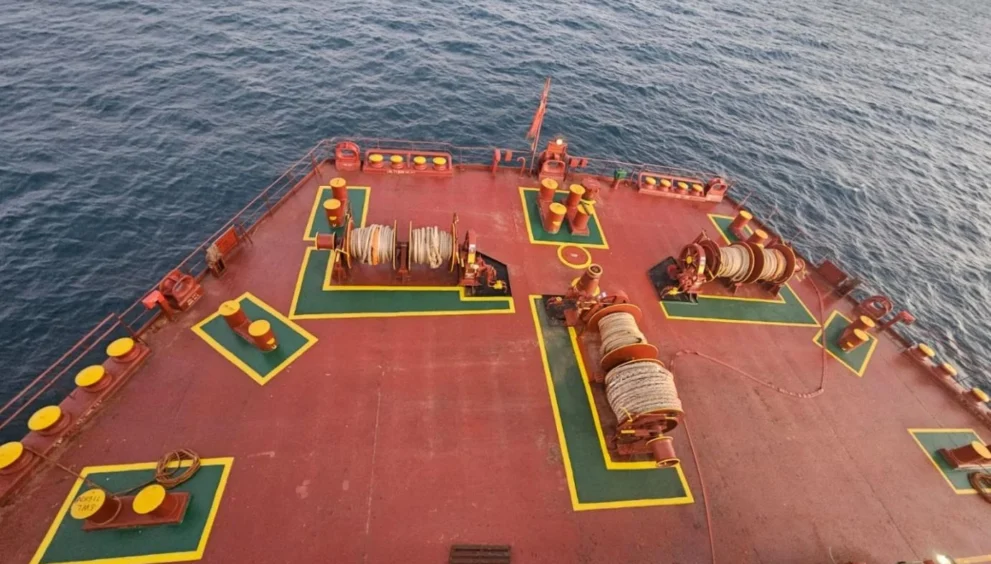
On many vessels, snap-back zones are painted on deck, usually in a contrasting color. However, painting alone is not enough. The crew has to fully understand that snap-back zones are not fixed or guaranteed to behave exactly as painted. Different rope lengths, angles, or equipment changes can alter the actual recoil pattern.
Where Snap-Back Zones Are Found
Typical areas where snap-back zones occur include:
Mooring winch to fairlead
Fairlead to bollard or jetty hook
Drum to pedestal roller
Between two bollards where the line is running
Around mooring drums during spooling
Any point at which rope changes direction under load
If the mooring arrangement is modified, the snap-back zones will also change.
Why Snap-Back Zones Are Extremely Dangerous
Snap-back lines travel faster than the human reaction time. In some synthetic lines, a rope can recoil at more than 800 km/h. The person in the snap-back path would not be able to get out of the way in time. The force will be sufficient to produce amputations, crush injuries, deep lacerations, spinal damage, or fatal impact. Many fatal mooring accidents occur within snap-back zones because personnel stand too close to lines under tension without understanding the danger.
Examples of How Snap-Back Happens
Example 1: A head line under heavy tension surges due to swell. The line chafes at the fairlead and suddenly parts. The recoil travels back toward the winch striking anyone standing between them.
Example 2: In the process of a sudden vessel movement, a synthetic spring line is paying out rapidly. The rope stretches, reaches its elastic limit, and breaks. The ends then recoil violently in opposite directions.
Example 3: The wire mooring line jumps out of the groove in the drum and breaks. The recoil path is unpredictable because the strands of metal can act differently when released.
Factors Enhancing Snap-Back Risk
High tension on lines
Sudden vessel movements: swell, tugs, wind gusts
Incorrect line angles
Chafing on fairleads or rollers
Old, damaged, worn, or improperly spliced lines
Mixing different rope types in the same set
Poorly maintained mooring equipment
Incorrect mooring pattern for the jetty
Overloading beyond SWL
How Snap-Back Zones Are Marked
Snap-back zones are usually painted onto the mooring deck. Colors vary but common examples of the color scheme include:
Red or yellow zones where personnel must never stand
No-go areas behind winches
Elliptical shapes around bollards
Straight-line danger paths between winch and fairlead
Some modern mooring decks utilize “danger arcs” showing the possible recoil path.
However, the UK MCA and OCIMF recommend that painted snap-back zones can be misleading because actual snap-back paths vary depending on the lead of the rope. Therefore, the safest method is crew training and treating every mooring deck as a danger zone when lines are under load.
How to Stay Safe and Avoid Snap-Back Zones
Never stand in the line of tension for any rope or wire
Stay away from marked snap-back areas
Avoid all bights of rope
Always stand on the “safe side” of rollers and bitts
Use remote monitoring and radio communication instead of shouting.
Wear proper PPE
Keep the mooring area clear of any unnecessary personnel.
Balance the loads evenly between lines
Communicate effectively with the bridge and tug operators.
If any crew member is in an unsafe position, STOP all movements.
Many ships follow the rule: If a line is under tension, assume it can break at any moment.
Crew Training and Awareness
Training is the most important thing in injury prevention. Crew must be shown:
Actual rope recoil videos
Different snap-back gradients according to the type of rope
How rope lead angles change snap-back zones
Case studies of past accidents
Correct standing positions and safe escape routes
Use of mooring cameras and mooring load monitoring systems
Toolbox meetings before berthing or unmooring should contain instructions on the risks of snap-back.
Maintenance to Reduce Snap-Back Risk
Regular inspection of ropes for wear, cuts, abrading, and UV degradation
Lubrication and maintenance of rollers and fairleads
Cleaning and alignment of mooring drums
Removal of old, stiffened, or weakened ropes
Proper spooling and tensioning
Correct matching of rope materials and lengths
Scheduled renewal of ropes according to manufacturer advice
A well-maintained mooring system greatly reduces the likelihood of a rope parting.
Common Mistakes to Avoid
Standing directly behind the mooring line
Photographing or video recording during mooring
Assuming synthetic ropes are safe because they feel soft.
Ignoring small cuts or wear on lines
Using old ropes because they “still look strong
Walking between two heavily loaded lines
Standing between a winch and a fairlead
Overestimating personal reaction time
Conclusion
Snap-back zones represent one of the most serious and underestimated risks onboard any ship. When a mooring line parts, the recoil is sudden, violent, and deadly. The keys to prevention are understanding snap-back behaviour, marking the zones, training the crew, using proper mooring techniques, and maintaining ropes and equipment. Safe positioning and situational awareness during mooring operations need to become second nature for all seafarers