
Introduction
Funnel flaps and louvers are critical yet often overlooked components of a ship’s exhaust and ventilation system. Located around the funnel casing, uptakes, and ventilation trunks, these devices help control airflow, protect machinery spaces from weather exposure, prevent ingress of seawater, optimise combustion efficiency, and assist in safe engine room operations. Although simple in appearance, their design, function, and maintenance are essential for safe ship operation and machinery reliability. This blog provides a deep technical understanding of funnel flaps and louvers, their construction, operation, common issues, and best practices followed on board merchant vessels.
What Are Funnel Flaps and Louvers
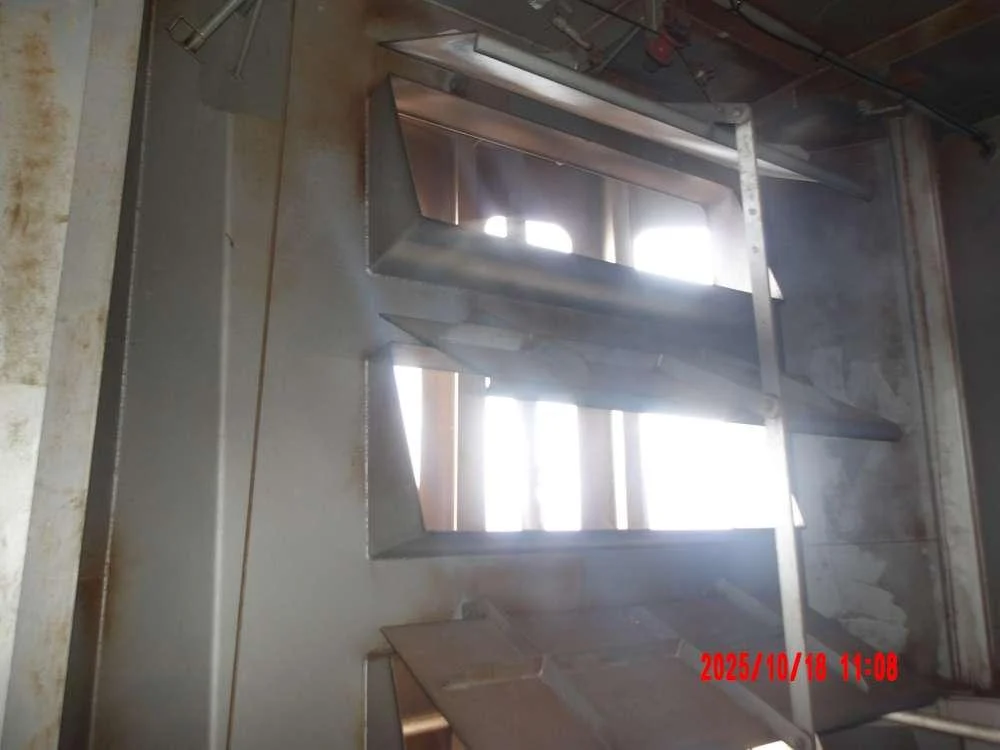
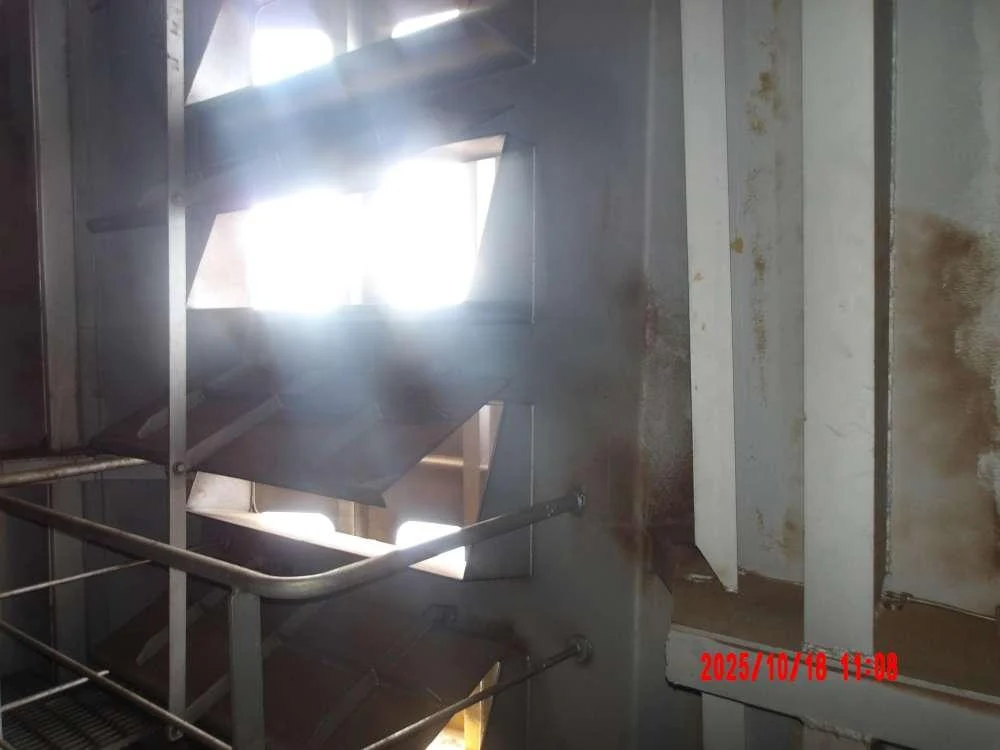
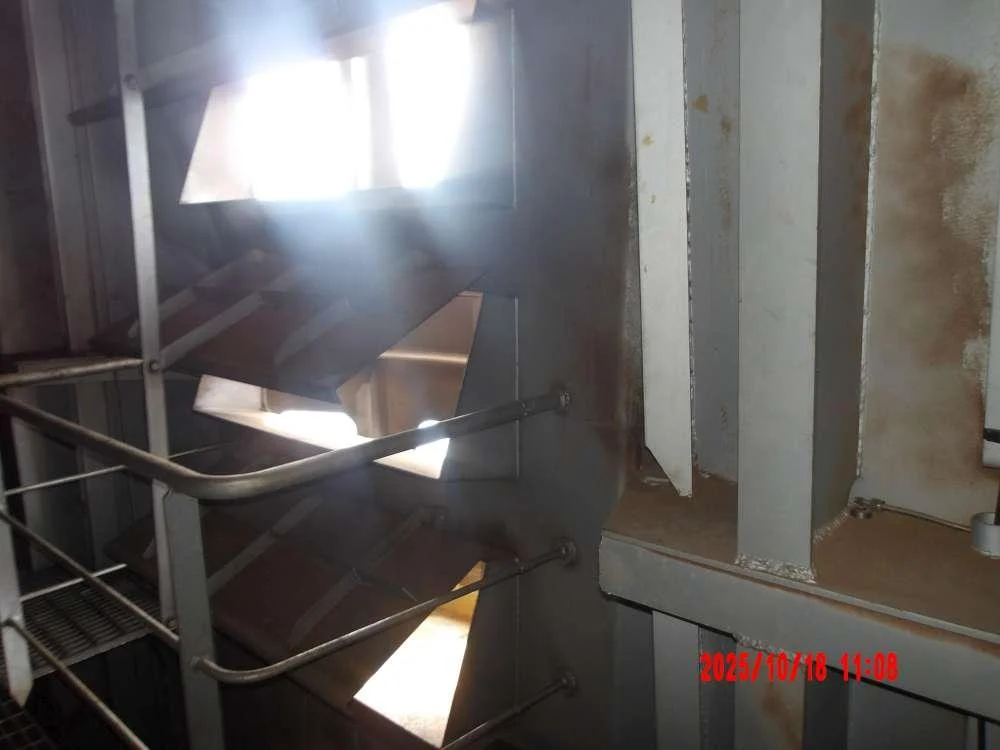
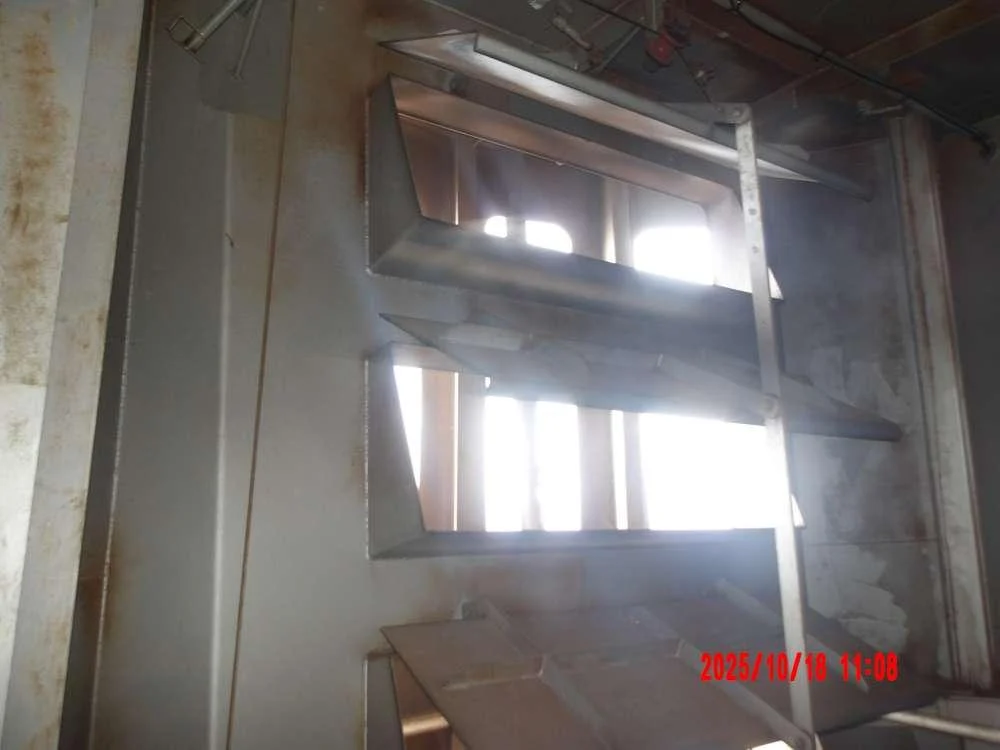
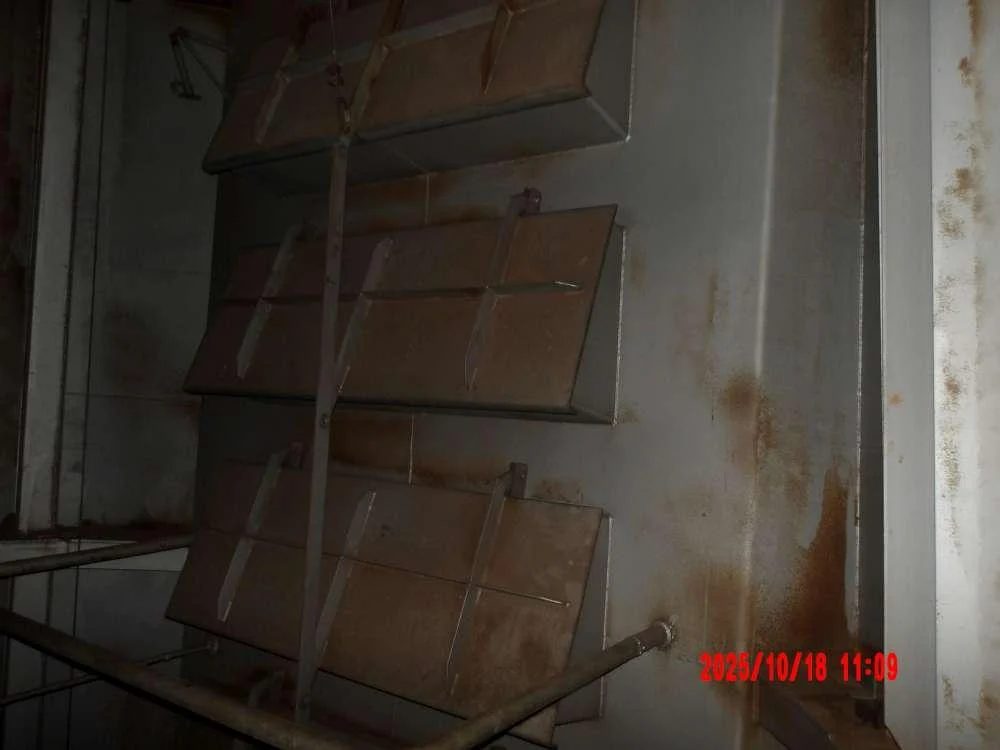
Funnel flaps and louvers are mechanical devices installed in the funnel or casing of ships that regulate airflow and protect internal spaces from rain, seawater spray, and environmental elements. They serve as openings for exhaust, ventilation, and natural air circulation while preventing water ingress into the engine room and machinery systems.
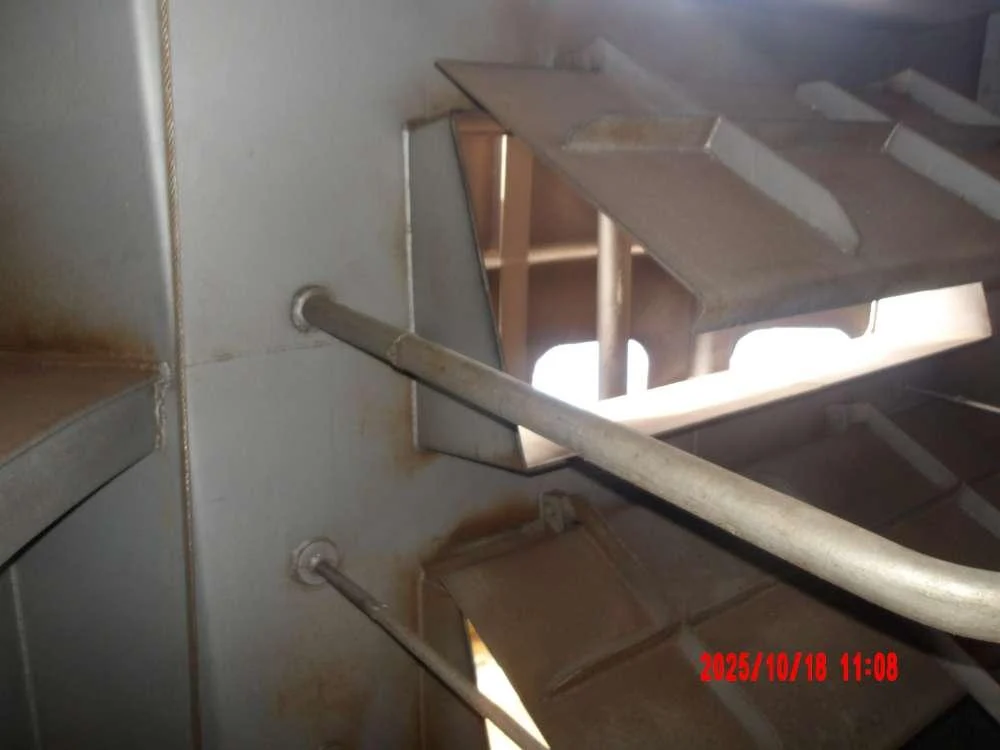
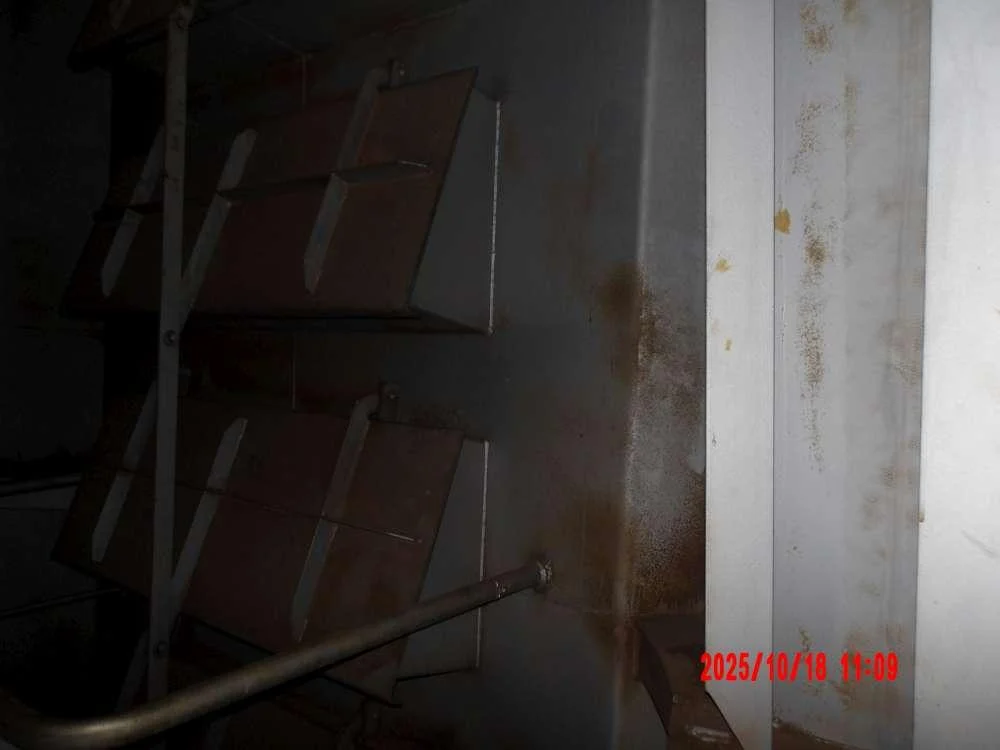
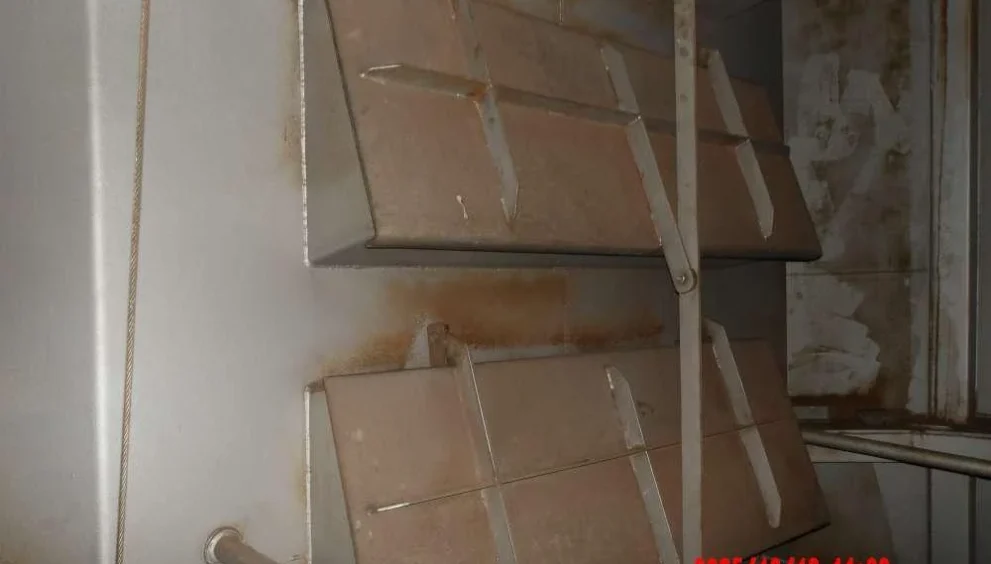
Funnel flaps typically refer to hinged covers or dampers placed at exhaust or ventilation openings. Louvers are fixed or adjustable blades arranged at an angle that allow airflow but block rain and seawater. Together, they maintain proper ventilation while ensuring the internal spaces remain dry and safe.
Purpose of Funnel Flaps and Louvers
They prevent rainwater and seawater from entering the funnel space and engine room
They regulate ventilation airflow to maintain optimum temperature and combustion environment
They help direct and manage exhaust flow away from accommodation and decks
They reduce the risk of downdraft, exhaust recirculation, and soot accumulation
They improve operational efficiency of engine room fans and blowers
They provide natural ventilation when mechanical fans are off
They protect electrical systems and machinery located in funnel areas
They act as safety barriers against flying debris or foreign objects entering ventilation ducts
They help reduce noise infiltration from machinery spaces
Construction and Design of Funnel Flaps and Louvers
Materials Used
Galvanised steel
Stainless steel
Marine-grade aluminium
Heat-resistant alloys (for exhaust areas)
Materials are chosen for corrosion resistance, durability, and heat tolerance.
Design Features
Angled blades to deflect rainwater
Drain channels to direct water away
Hinged flaps for open-close functionality
Reinforced frames for structural stability
Fire dampers integrated in some systems
Mesh or grating to prevent bird or debris entry
Coatings to withstand prolonged exposure to exhaust gases
The design depends on whether they are used for ventilation, exhaust, or weather protection.
Types of Funnel Flaps and Louvers
Fixed Louvers
Blades remain stationary at an angle
Allow continuous airflow
Highly effective against rain and spray
Used in general ventilation openings
Adjustable Louvers
Blades can be manually or automatically adjusted
Control airflow intensity
Used in areas requiring regulated ventilation
Funnel Flaps (Hinged Dampers)
Hinged covers that open or close depending on operation
Used during manoeuvring or when fans are running at high capacity
Can be pneumatically or hydraulically controlled
Weather Tight Flaps
Provide full closure during heavy weather or shut-down operations
Used to isolate ventilation trunks from seawater ingress
Fire Dampers
Integrated with louvers in some designs
Close automatically during fire
Prevent spread of flames and smoke
Where Funnel Flaps and Louvers Are Located
Engine room ventilation inlets
Uptake casing inside the funnel
Boiler air intake
DG room ventilation openings
Emergency generator room ventilation
Accomodation air trunk vents
Ventilation openings near lifeboat and deck machinery spaces
Location determines the type of flap or louver used. For example, funnel louvers are usually heavier and larger due to higher airflow and exhaust temperatures.
How Funnel Flaps and Louvers Work
Airflow Management
Fresh air enters engine room through louvers
Air is guided at a downward angle to prevent rain entry
Air flows through ducts to blowers or natural ventilation trunks
Weather Protection
Angled blades block rain and spray
Flaps close during storms
Drain channels remove accumulated water
Exhaust Management
Funnel flaps can control backpressure in uptakes
Prevent downdraft and soot blowback
Assist in maintaining stable combustion
Safety Integration
Fire dampers shut ventilation during engine room fire
Louvers act as barriers to sparks, insects, or debris
Common Problems with Funnel Flaps and Louvers
Corrosion
Constant exposure to exhaust gases and salt makes corrosion common
Flaps may jam or weaken
Louvers may develop holes
Mechanical Failure
Flap hinges may freeze or seize
Automatic actuators may fail
Adjustable blades may misalign
Clogging
Dust, soot, rust flakes, and salt deposits can clog louvers
Reduces airflow efficiency
Overheating of engine room may occur
Water Ingress
Damaged louvers may allow water entry
May cause:
Electrical failures
Equipment rusting
Belt and motor damage
Oil-water contamination
Noise and Vibration
Loose flaps rattle
High wind conditions can produce noise
Requires periodic tightening
Inspection and Maintenance of Flaps and Louvers
Inspect for corrosion, rust, and paint breakdown
Clean soot, dust, and salt deposits regularly
Lubricate hinges and moving parts
Check alignment of blades and frames
Ensure actuators, cylinders, and linkages work correctly
Check drainage holes are clear
Verify fire dampers close properly
Confirm that louvers are not blocked internally
Inspect for cracks, deformation, and metal fatigue
Re-paint using marine-grade corrosion-resistant coatings
Check for chafing of cables and sensors near flaps
Routine checks are essential for maintaining safe ventilation and machinery operation.
Role During Different Ship Operations
During Manoeuvring
Ventilation must be adequate to support increased engine loads
Flaps fully open
Louvers ensure stable airflow
During Heavy Weather
Flaps may be partially closed
Louvers prevent water ingress
Drainage must function properly
During Fire
Fire dampers automatically close
Isolates engine room or machinery space
Prevents spread of smoke
During Port Stay
Reduced ventilation demand
Louvers continue basic air circulation
Flaps may be adjusted depending on plant running
During Maintenance Periods
Louvers checked for corrosion
Flaps removed for overhaul if needed
Painting and renewal common during drydock
Why Funnel Louvers Are So Important
They protect complicated machinery
They prevent water-caused electrical failures
They maintain stable engine combustion
They optimise temperature distribution
They ensure regulatory compliance for ventilation
They reduce maintenance costs
They extend the life of exhaust and ventilation systems
A seemingly simple structure plays a major role in ship safety.
Best Practices for Managing Funnel Flaps and Louvers
Keep louvers and flaps clean
Apply lubrication regularly
Check during every weekly engine room round
Inspect after rough weather
Verify closing and opening operation monthly
Train crew on emergency shutdown of ventilation
Record maintenance in PMS
Never leave flaps partially open during storms
Replace damaged louvers immediately
Avoid blocking airflow with temporary stowage
Conclusion
Funnel flaps and louvers are essential components that safeguard ventilation systems, protect machinery, and support engine performance on ships. Their proper functioning ensures efficient airflow, protects against harsh weather, prevents water ingress, and enhances fire safety. Although often overlooked, their design, operation, and maintenance are central to safe ship operation. Regular inspections, proper lubrication, corrosion control, and routine functional checks are key to ensuring longevity and reliability.