Chemical Tanker Safety

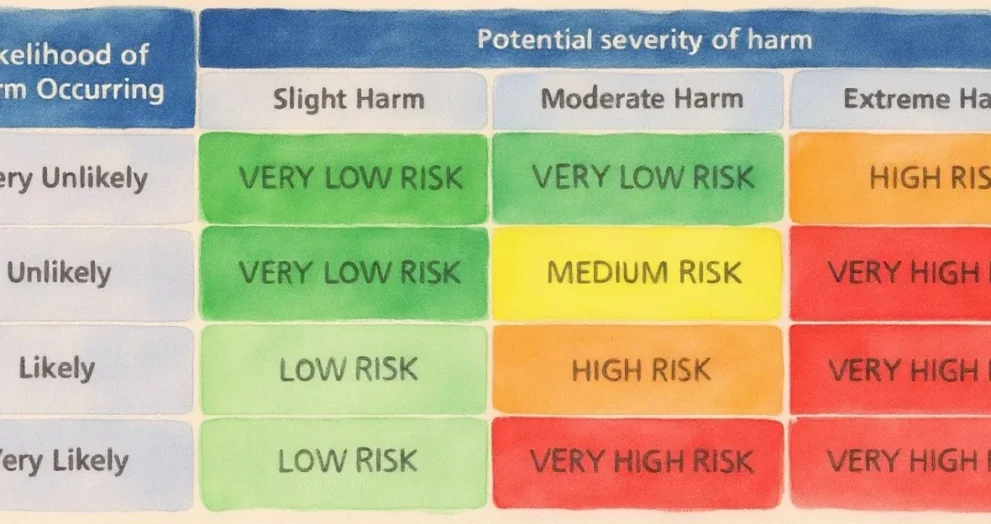
A chief engineer’s guide for junior engineers on a chemical tanker must emphasize rigorous safety management, practical risk assessment, and the disciplined use of personal protective equipment (PPE) during all operations. This approach not only meets regulatory compliance but also cultivates a safety-first culture that minimizes incidents and ensures everyone’s well-being onboard. Safety Management & […]

Marine Air Compressors on Ships

Marine Air Compressors on Ships In this article, we’ll explore marine air compressors in-depth: types used onboard, their applications, operation, safety features, routine maintenance, valve overhauling, and real-world troubleshooting tips. Types of Compressors Used Onboard Ships Compressors onboard are used for compressing gases by reducing volume and increasing pressure. There are different types of compressors […]

Compressed Air Line on Ships

Picture this—you’re in the engine room of a ship that’s just docked after a long voyage. The main engine is off, the auxiliary engines are silent, and there’s no hum of machinery. Everything is quiet… until it’s time to start things up again. But how? What breathes life back into the ship’s systems? The answer […]

Ship Fin-Stabilizer and Its Operation

When you’re out at sea, stability is everything. A ship that rolls from side to side isn’t just uncomfortable — it can put both crew and cargo at risk. That’s where fin stabilizers step in. Mounted below the waterline on both sides of the hull, these smart devices work quietly behind the scenes to reduce […]

How to Start an Emergency Generator on a Ship

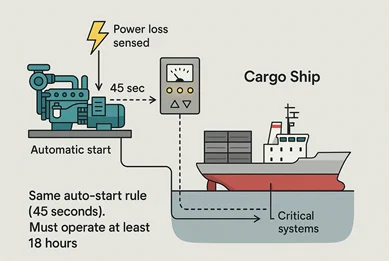
What Is an Emergency Generator? An emergency generator is a backup power system installed on every ship. When the main generators fail due to blackout, machinery fault, or casualty, this generator kicks in automatically to provide power to critical systems. It’s placed in a separate space away from the engine room, usually higher up, so […]

Maintenance of Emergency Generator

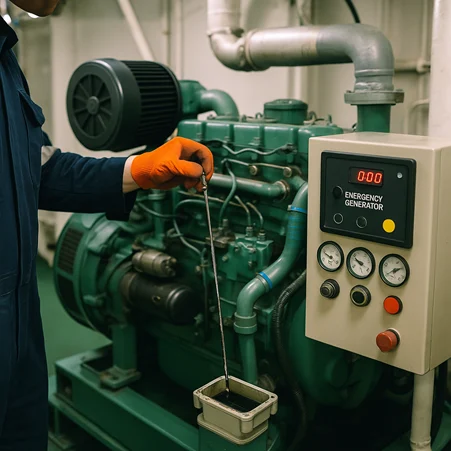
Why the Emergency Generator Matters? Imagine you’re out at sea. It’s night. The main power fails. Radar dies, lights go out, the steering is lost, everything suddenly comes to a standstill. Now ask yourself – what’s the one thing standing between your ship and disaster? That’s right: the Emergency Generator. This small but powerful backup […]

Stopping the Diesel Generator at Sea

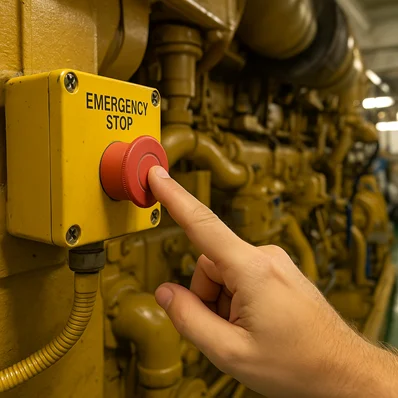
When you’re out at sea, your generator is basically your heartbeat. No power? You’re blind. You’re stuck. That’s why knowing when and how to stop a diesel generator isn’t just a checklist item it can literally save your ship. Thing is, not every problem comes with a big red warning sign. Sometimes it’s just a […]

Generator Synchronization on Ships

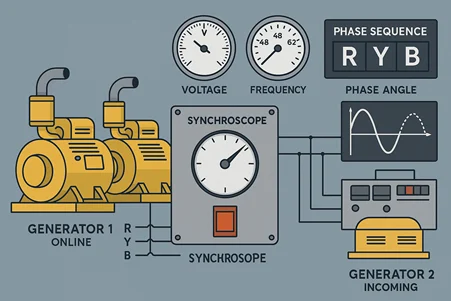
“No Sync, No Power Simple as That” Let’s be real on a ship, if the power goes out, everything stops. No lights, no pumps, no control systems, no AC, nothing. That’s why we’ve always got backup generators, but you can’t just press a button and slap them online. You’ve got to synchronize them first otherwise, […]

Types of Oily Water Separators You’ll See Onboard

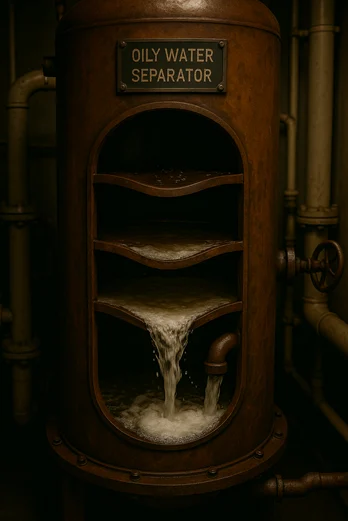
Let’s be honest nobody really cares about oily water separators until something goes wrong. But if you’re working on a ship, whether you’re in the engine room or even just passing by the bilge area, you should have a basic idea of how these machines work. Oily Water Separators (OWS) do one job: get the […]

Oily Water Separator (OWS)Construction and Working.

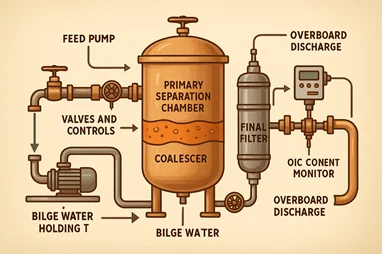
If you’ve spent any time in the engine room, you know bilge water is just part of the job. It builds up over time a messy mix of oil, water, fuel, grease, cleaning chemicals basically everything that leaks or spills from machinery. And no, you can’t just pump it into the ocean. That’s illegal, full […]