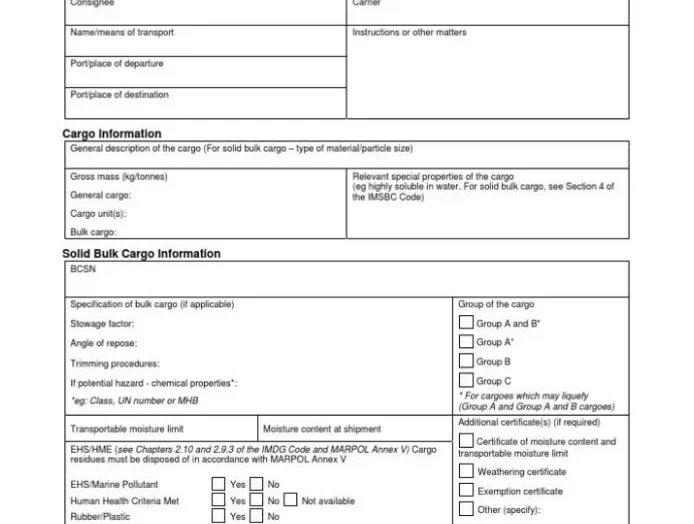
MSDS – Material Safety Data Sheet

Whether you’re cleaning the engine room with a degreaser or loading bunkers on deck, there’s one thing you must check before handling any chemical – the MSDS, also known as the Material Safety Data Sheet. This is not just paperwork. It’s your first line of defence against injury, accidents, and chemical exposure. Sadly, many cadets […]

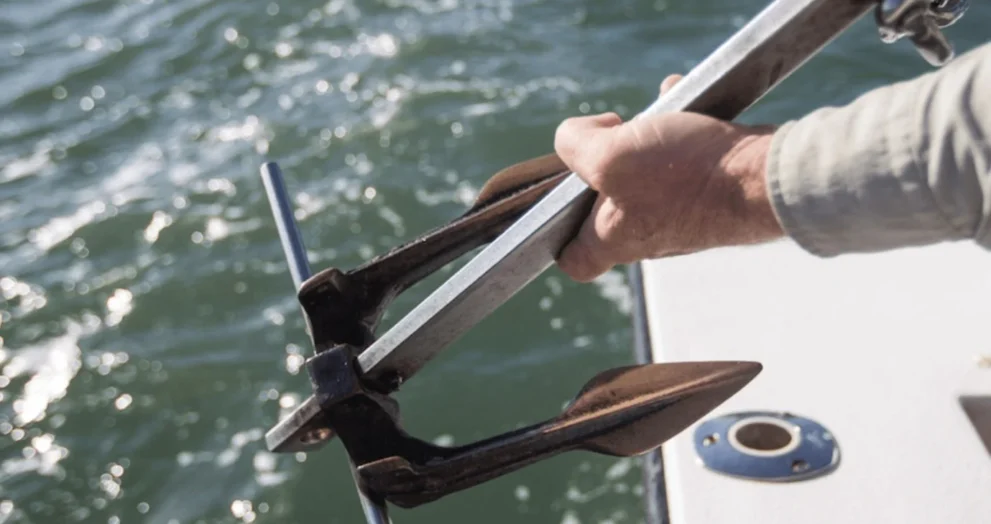
Anchor Chain & Markings

Markings and Anchor Chain: Everything You Want to Know One of the most critical jobs on a ship is anchoring, and a safe and efficient operation relies on familiarization with the anchor chains and their markings. A crucial aspect of anchoring operations are the markings on the anchor chain, which allow the crew to keep […]

HRU – Hydrostatic Release Unit: Small Size, Big Responsibility

When you look at a life raft on deck, you mostly think of the canister, the cradle, and the lashings. But there’s a small piece of equipment in that whole arrangement that can literally make the difference between life and death, the HRU or Hydrostatic Release Unit. What Exactly is an HRU? In simple terms, […]

Ocean Currents – What Every Seafarer Should Know

For Cadets, Junior Officers, and Anyone Who Still Asks “Why is the Ship Drifting?” So What Are Ocean Currents, Really? Imagine rivers inside the sea, but huge, invisible, and slow-moving. That’s what ocean currents are. They’re basically movements of seawater that flow continuously in one direction. They affect your ship’s course, the speed over ground, […]

AMVER

AMVER: A Global Lifesaver for Mariners The Automated Mutual Assistance Vessel Rescue System (AMVER) is a global voluntary initiative run by the United States Coast Guard (USCG). AMVER has improved maritime safety since 1958. It continues, to this day, to be one of the most valuable programs to organize rescue operations in times of crisis […]

AIS

Understanding AIS – The Eyes of the Sea In today’s tech-driven shipping world, AIS (Automatic Identification System) works like a digital handshake between ships. It’s not just a gadget — it’s a key player in modern navigation. By constantly sharing who’s around, where they’re heading, and how fast they’re moving, AIS helps vessels “see” each […]

Auto Pilot

Modern bridge navigation is incomplete without the autopilot system. Designed to reduce human workload, optimize steering, and enhance fuel effectiveness, the autopilot is one of the most critical nautical aids onboard merchant vessels. While it might feel like a’ set- it- and- forget- it’ tool, understanding its system, limitations, and proper operation is vital for […]

IAMSAR

IAMSAR The Lifeline of Maritime and Aeronautical Rescue In the magnitude of the oceans and open skies, trouble does not knock — it crashes in. Whether it’s a vessel in distress or an aircraft gone silent, quick, coordinated rescue efforts are the difference between life and death. That’s where IAMSAR comes in the International Aeronautical […]

VDR

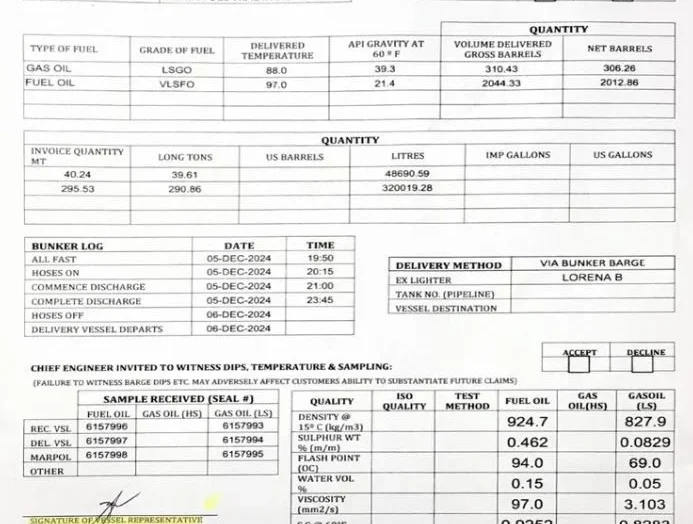
A Voyage Data Recorder( VDR) is like a black box for vessels, designed to continuously capture and store essential nautical and functional data. Its primary purpose is to help investigators in determining the cause of maritime accidents by furnishing critical information leading up to an incident.  VDRs are obligatory under SOLAS Regulation V/ 20, which […]

How Can Seafarers Manage Their Finances Effectively with Irregular Income?

1. Create a Budget and Stick to it: Develop a detailed budget that accounts for both fixed and variable expenses. Include essentials such as housing, utilities, insurance premiums, groceries, and transportation, as well as discretionary spending categories. Be realistic about your income and expenses, considering both high and low earning periods. 2. Track Expenses: Keep […]