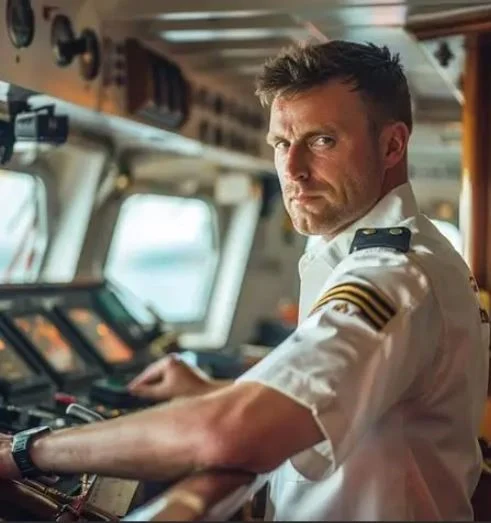
Common Errors During Anchoring

Common Errors During Anchoring Operations: Anchoring is a key operation that demands accuracy and knowledge of the ship’s gear, seabed, and climatic conditions. A small mistake can result in serious consequences, such as dragging anchor or gear damage. The following are common errors that can undermine the safety and efficiency of anchoring. Inaccurate Chain Scope […]

Vessel Traffic Service (VTS)

As you hug the shore along a tight channel or make your way into a busy port, there’s more than charts, radar, and your eye on lookout. Working behind the scenes, an unseen yet mighty support system keeps things in line — Vessel Traffic Service (VTS). Just as air traffic control for vessels, VTS is […]

Types and Classes of Oil Tankers

The most valuable liquid cargo in the world is transported across the oceans by tankers. These vessels are the unsung heroes of international trade. However, not every tanker is the same. Depending on what they transport and where they operate, they differ in size, design, and functionality. In this blog, we’ll explore the different classes […]

ARPA

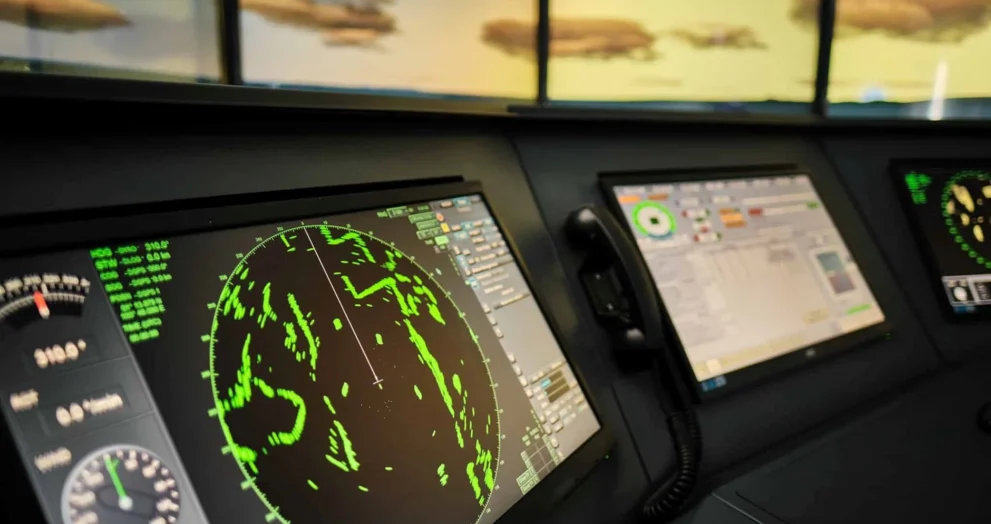
ARPA: Your Advanced Radar Partner at Sea Imagine cruising through a foggy night, encompassed by vessels you can’t see, but require to dodge. This is where ARPA steps in as the watch keeper’s best ally. What is ARPA? ARPA, Automatic Radar Plotting Aid, is something you’ll discover in today’s radar frameworks. What it does is […]

Citadel on Ships

In high-risk piracy areas, crew safety depends not just on sharp lookouts and evasive manoeuvres — but on preparation. One of the most critical safety features on modern ships is the citadel: a secure, reinforced room designed to protect the crew if armed intruders board the vessel. A citadel is a designated space built to […]

Rudder on Ships:

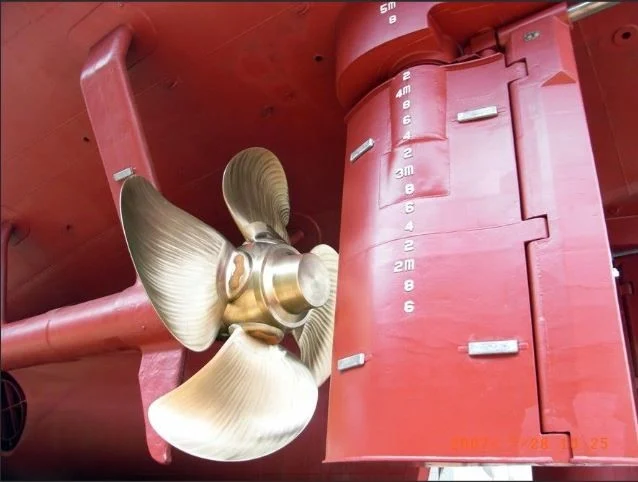
When most people imagine how a ship travels, their thoughts tend to head toward huge engines, propellers, or navigation systems. But hidden away near the back is much less glamorous but entirely essential equipment — the rudder. It doesn’t get much attention, but without the rudder, steering a vessel would be nearly impossible. In this […]

Shipper’s Declaration for Bulk Cargo – What Cadets and Junior Officers Must Know

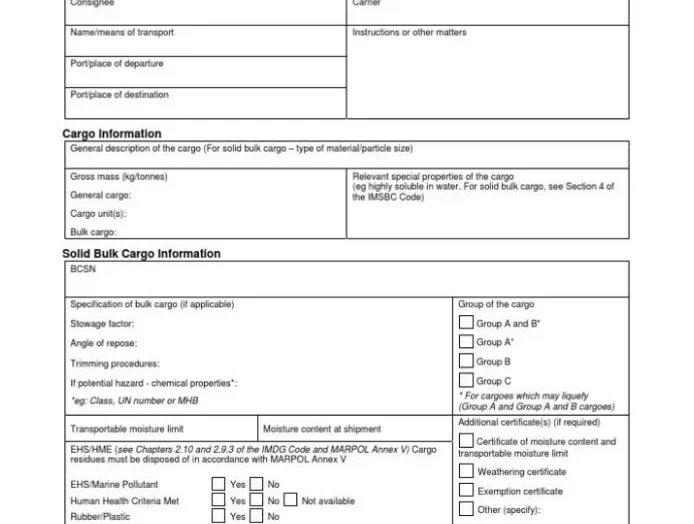
When loading bulk cargo, especially solid bulk cargo like coal, iron ore, bauxite, or even grain, one of the most important documents you must be aware of is the Shipper’s Declaration. This is not just a routine paper. It is directly linked to cargo safety, ship stability, and crew safety. As a cadet or junior […]

BDN – Bunker Delivery Note: The Basics-What Every Crew Must Know

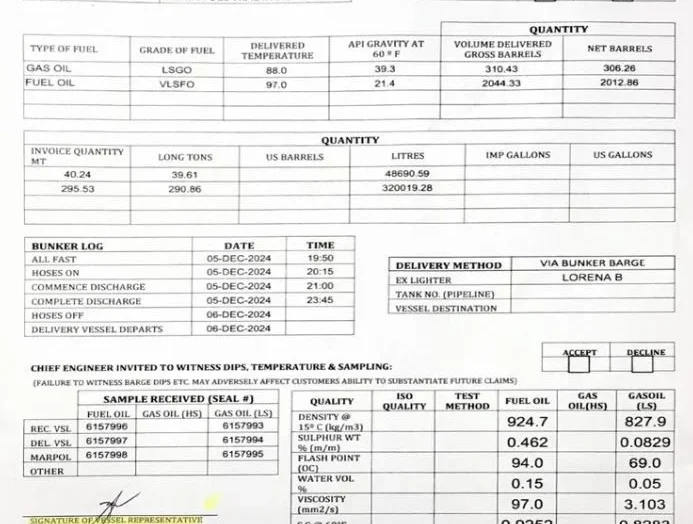
When you are sailing onboard a ship, especially during your first few sailings, you will hear this term often during bunkering: BDN or Bunker Delivery Note. It may look like just another paper, but it is actually a very important legal document and plays a big role in fuel quality, pollution control, and even during […]

Anchor Terminology

Understanding Anchor Terminology in Merchant Shipping It is one of the most crucial tasks, performed in the course of merchant shipping, since anchoring properly guarantees safety, stability and control on a ship, or moreover awaiting information about it at sea. For those new to the merchant navy or anybody interested in the subject, understanding the […]

Master’s Standing Orders – What They Mean for You as a Watchkeeper

When you join a ship, especially as a cadet or junior officer, one of the first things you must read and understand is the Master’s Standing Orders. But what are these? Why are they so important? And how can they affect your watchkeeping duties? Let’s understand in very simple language. What are Master’s Standing Orders? […]