

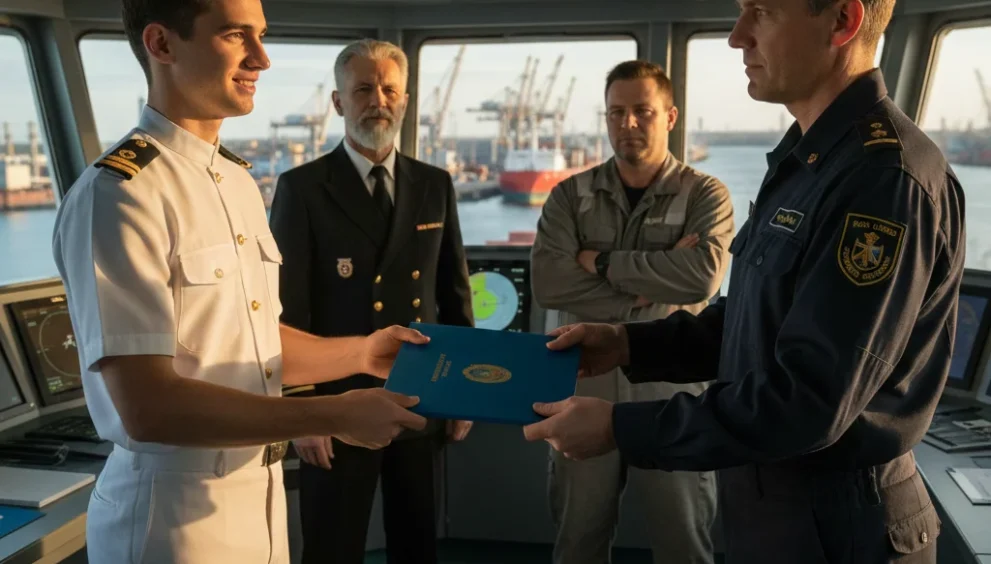
When PSC walks up the gangway, you can almost feel the atmosphere on board change. Everyone suddenly gets a bit more serious, a bit more alert. As a Chief Engineer, one thing becomes very clear over the years: how you handle those first few minutes with documents sets the tone for the entire inspection. If you and your team can pull out the right papers quickly and calmly, the visit usually stays smooth. If you start hunting, flipping files, and whispering to each other… that is when trouble begins.
Why PSC Documents Matter More Than You Think
To a cadet or junior, documents can feel boring compared to main engine overhauls or pump troubleshooting. But to PSC, your paperwork is like an X-ray of the ship. If the certificates are messy, missing, or expired, they immediately wonder: “If they can’t manage their documents, can they really manage safety, pollution, and maintenance?”
So, think of these 12 key documents as part of your safety toolbox. They protect:
- The ship from delays, fines, and detention.
- You and your license from being tied to a “substandard” ship.
- Your crew from the consequences of being labeled high-risk.
How It Feels In Real Life When PSC Boards
Here is what usually happens:
- The PSCO comes to the office, exchanges greetings, and almost immediately asks for key certificates.
- You do not have time for a big search every second you spend flipping random folders makes you look unprepared.
- If you present things quickly, cleanly, and in order, you can actually see the body language of the PSCO relax a little.
As a junior or cadet, you might just be the one asked to “bring the file” or “pull out the Load Line Certificate.” If you already know exactly where things are, you become an asset, not a spectator.
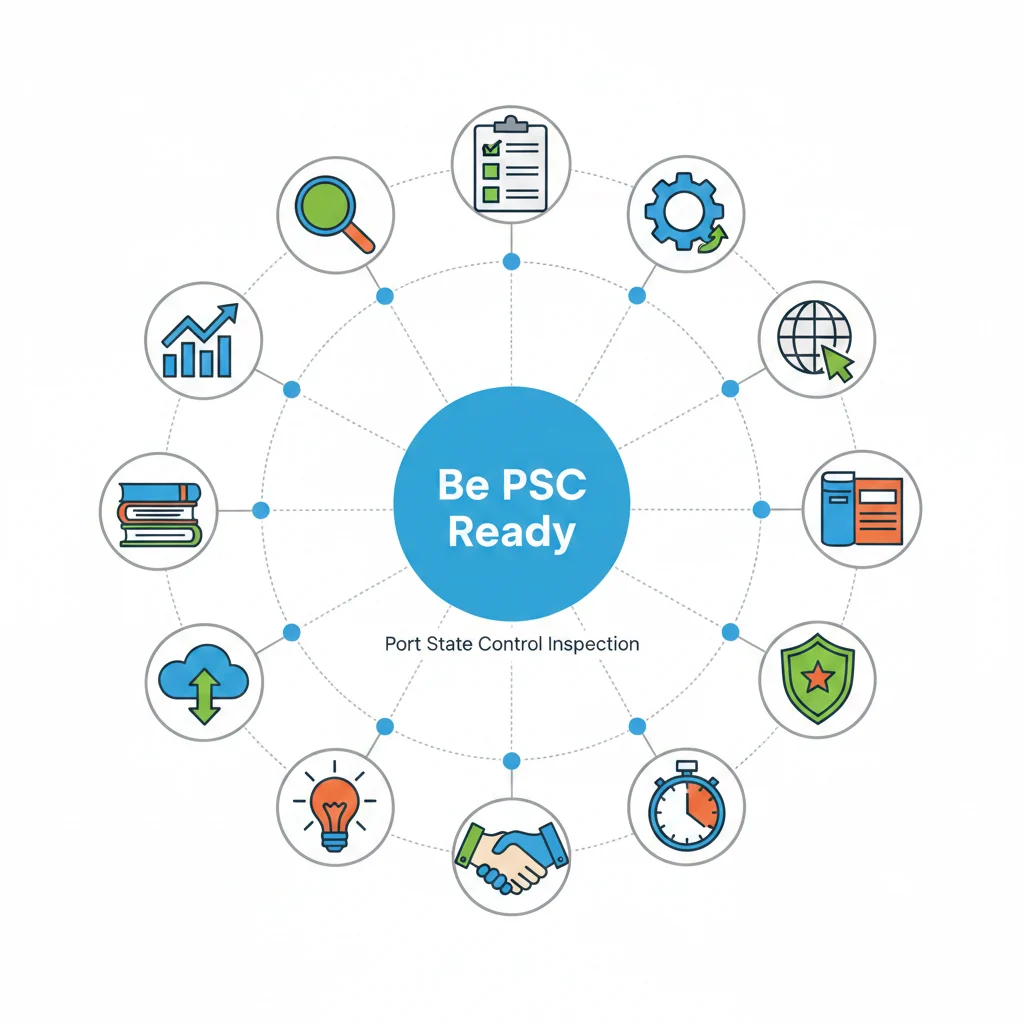
The 12 Documents Explained Like You’re Onboard
Instead of just a dry list, here is how these 12 fit into your real working life:
- Ship’s Registration Certificate
Think of this as the ship’s passport. It tells PSC who you are, which flag you fly, and who owns you. Without this, nothing else makes sense. - International Tonnage Certificate
This is the “weight and size” card of the ship gross and net tonnage, which influences port dues and rules that apply to you. PSC uses it to cross-check with their system. - Safety Management Certificate (SMC)
This is proof that your ship’s Safety Management System is audited and approved. For you, every permit to work, risk assessment, and drill is connected to this document, even if you never noticed. - Document of Compliance (DOC)
Issued to the company, not the ship but your ship must carry the relevant copy. It tells PSC that the company behind you has systems in place, not just the vessel. - Crew Certificates & Endorsements
This is where your own CoC, GOC, tanker endorsements, and flag endorsements sit. PSC checks if the people doing the job are legally qualified to do it. Imagine how painful it is if your name is the one with an expired endorsement. - Safe Manning Document
This is the minimum “team list” needed to run the ship safely. If you are short on required ranks, PSC will not just shrug and move on they will see it as a direct safety risk. - Cargo Ship Safety Construction Certificate
This touches hull, watertight integrity, and machinery installation. For an engineer, this is like someone saying “We checked the skeleton and organs of your ship, and they are okay.” - Cargo Ship Safety Equipment Certificate
This covers LSA and FFE lifeboats, lifejackets, fire pumps, extinguishers, etc. PSC will usually pick items from this certificate and then go check them physically. - Cargo Ship Safety Radio Certificate
Confirms GMDSS and radio equipment are in proper order and certified. It links directly to your ability to call for help when everything else goes wrong. - Load Line Certificate
This tells you how deep you can load and still be safe. PSC often checks this against actual drafts and loading condition. Overloaded? Expect a serious conversation. - Oil & Garbage Record Books
These log what you do with oily water and garbage. To PSC, they are not “just logbooks” they are legal evidence of whether you are polluting or not. - Last PSC Report / Class Survey Report
This is your history sheet. If the same deficiencies keep repeating, PSC will question whether your SMS works at all.
How A Good Junior Or Cadet Stands Out During PSC
Here is what impresses PSC and your seniors:
- You know where the files are and how they are organized.
- When asked for a certificate, you do not panic; you just pull it out.
- You understand, at least in simple terms, what each major certificate is for.
Practical habits you can build:
- On your first voyage, ask the Senior officers to walk you through the statutory certificate file once when things are quiet.
- Make your own small handwritten or digital “PSC Doc Quick Guide.”
- Note expiry dates and keep an eye out for anything due soon be the one who reminds, not the one who is surprised.
A Chief’s Honest Advice To You
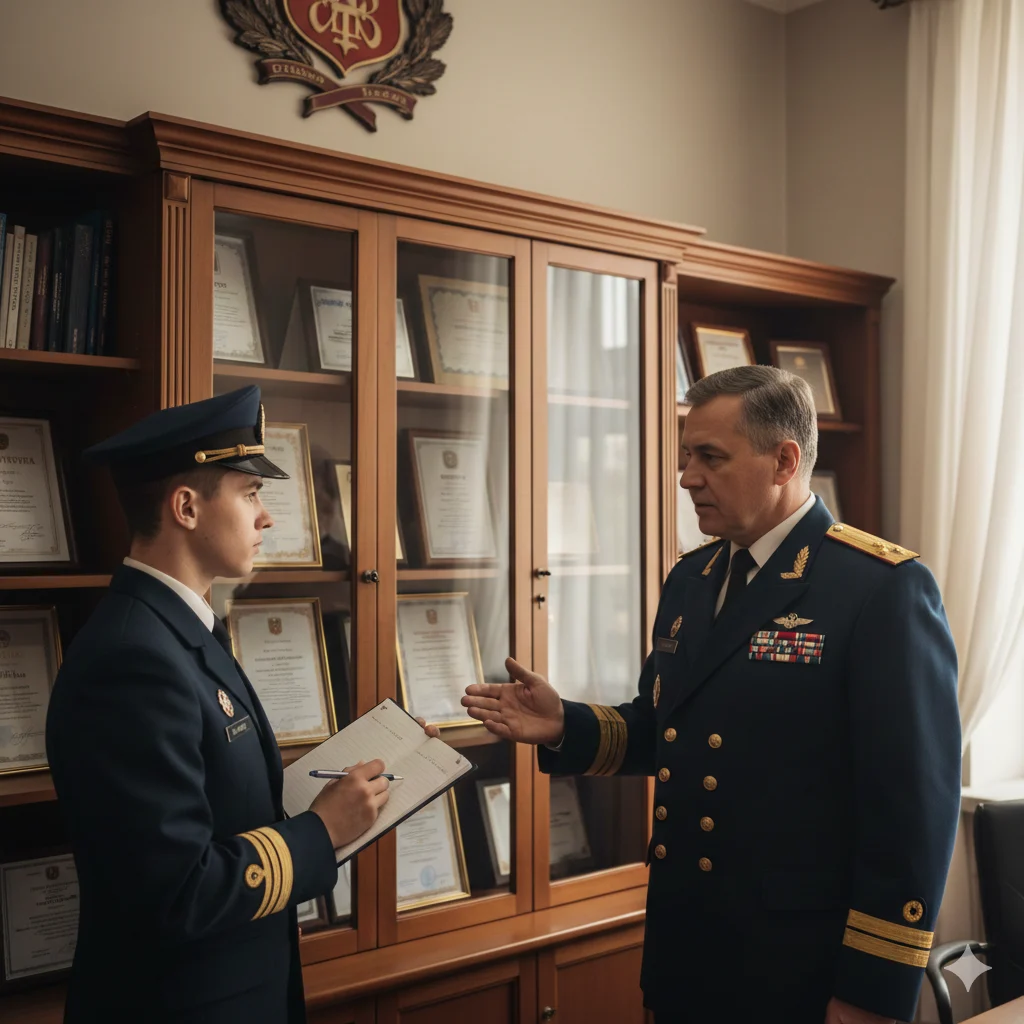
After a few years, you realize PSC is not mainly about catching you out; it is about checking if ships out there are truly safe. But if you treat documents like a last-minute chore, you make life harder for everyone.
So as your Chief Engineer, here is the message:
- Respect paperwork the same way you respect the main engine. Both can stop the ship if neglected.
- Use PSC as a learning opportunity listen to what they ask, how they check, and what they focus on.
- Ask your seniors about their strangest PSC experiences. You will hear stories that will teach you what to avoid long before you sit in the hot seat yourself.
If you start building good habits now as a cadet or junior one day when you are the Chief Engineer or Master, you will be the calmest person in the room when PSC walks on board.
And that confidence starts with something as simple as knowing exactly where those 12 documents are.