
As you hug the shore along a tight channel or make your way into a busy port, there’s more than charts, radar, and your eye on lookout. Working behind the scenes, an unseen yet mighty support system keeps things in line — Vessel Traffic Service (VTS).
Just as air traffic control for vessels, VTS is a shore-based system that tracks, directs, and assists ship movement within particular zones. Its main purpose? To improve safety of life at sea, facilitate free flowing traffic, and safeguard the marine ecosystem.
Let’s dissect how it operates, the kind of services it provides, and why no professional mariner can afford to dismiss it.
What Is VTS and Why Do We Need It?
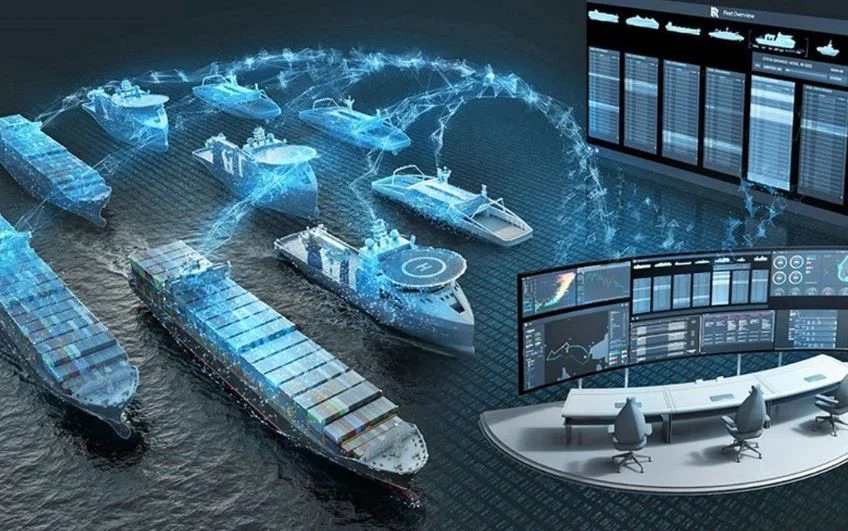
Vessel Traffic Service is provided in high-density traffic areas or areas where there is a risk of navigation — for example, approaches to a port, straits, or environmentally fragile areas. By means of radar, AIS, VHF radio, CCTV, and voice communication with vessels, VTS operators monitor vessel movements and ensure traffic control.
VTS areas are able to be surveilled (with complete radar and AIS coverage) or unsurveilled (based primarily on ship reporting and communication). Regardless, its purposes are defined and essential.
Purposes of VTS
VTS is not only there to monitor, but to intervene. The main purposes are:
- The monitoring of vessel movement in order to avoid collisions or running aground
- Advising on navigation in bad weather or in case of emergency
- The receipt of weather and tide data in order to secure voyage planning
- Coordinating ship movement in port entry, exit, or turning in anchorage
- As a general assistant in emergency response like oil spill, fire, or illness on-board
In short, VTS is here to inform, protect, and get you moving smoothly.
How VTS Increases Safety at Sea
Whether you’re sailing through the Dover Strait or arriving at Singapore port, VTS greatly increases maritime safety. Here’s why:
- It avoids close-quarters encounters by alerting ships to surrounding traffic or crossing hazards
- It warns ships of unexpected danger — such as drifting ships, wrecks, or low visibility
- It assists navigation when a ship’s own equipment is down or when crew members are new to local waters
- In crises, VTS responds quickly — alerting SAR, tugs, port control, and other nearby ships
This blend of timely warning and immediate help is what saves lives and avoids accidents on the water.
Types of VTS Services
Shore-based VTS centres offer different levels of service according to the region and complexity of the waters and VTS, as follows:
Information Service (INS):
Provides information such as weather, traffic reports, or existence of hazards – there is no order given.
Traffic Organization Service (TOS):
Organizes vessel traffic to the level of construction packers; sets speed limits for vessels; collects data completely and therefore offsets vessel congestion or unintentional damage.
Navigational Assistance Service (NAS):
Helps individual vessels, particularly during emergencies or poor visibility, by offering route suggestions and real-time support.
You can get precise information about the services available in a given area in Admiralty Sailing Directions, Port Authority guides, or the VTS handbook of the bridge — always consult in advance.
Reporting to VTS: How It’s Done
Ships entering a VTS area generally need to report at pre-specified locations or on request. A standard reporting routine is to give:
Ship’s name, call sign, and IMO number
Position, course, and speed
Destination and ETA
Type of cargo (particularly if hazardous)
Any defects or restrictions on-board
The presentation may be according to IMO standard reporting (e.g., IMO FAL Form 1) or regional port requirements — always reference charts or sailing directions for local details.
Advantages and Disadvantages of VTS
As with any system, VTS has its advantages and disadvantages.
Advantages:
Reduces risk of collisions and groundings
Tightens port turnaround time and traffic coordination
Improves situational awareness, particularly in congested or unfamiliar waters
Offers support during emergency or equipment breakdown
Disadvantages:
Inexperienced crews’ over-reliance can result in bad judgment
Miscommunications caused by language or signal problems
Wherever available, varying quality of VTS or obsolete equipment may decrease effectiveness
But when properly used, the advantages are well beyond limitations.
Final Thoughts
VTS is more than just a helpful voice on channel 16. It’s an entire system built to protect ships, cargo, crew, and the environment. Whether you’re a deck cadet or a seasoned master, understanding how to interact with VTS professionally is a must.
From busy container terminals to icy straits, this system stands as the silent safety net that keeps maritime trade running — reliably, efficiently, and safely.