
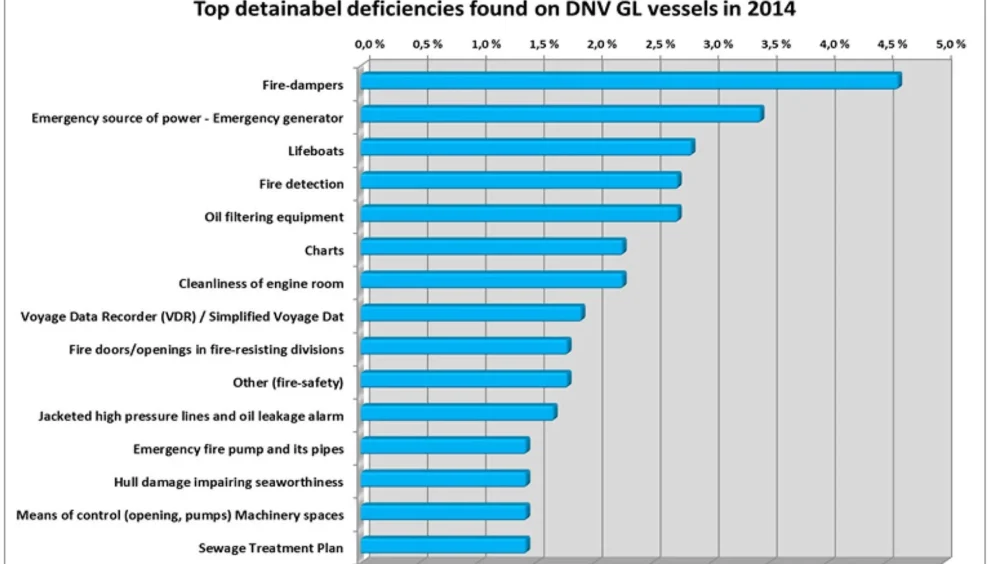
Port State Control authorities under the Tokyo MOU conduct thousands of inspections each year and the engine room continues to be one of the highest-risk areas for deficiencies and detentions. Most serious casualties, fires, machinery failures and pollution incidents originate in the machinery spaces, making PSC officers focus heavily on engine-room conditions. The following blog summarises the most common detainable deficiencies in the engine room, why they occur, why they lead to detentions and what ships can do to avoid them.
Why Engine Room Deficiencies Matter
The engine room contains fuel, oil, high-temperature surfaces, exhausts, electrical systems, ventilation ducts and multiple ignition sources. Poor maintenance or failure of emergency systems can result in fires, pollution, blackouts, loss of propulsion and unsafe working conditions. Deficiencies in this area are treated very seriously by PSC as they represent immediate danger to the ship, crew and environment. Many of these issues also indicate poor SMS implementation or ineffective maintenance culture.
Most Common Engine Room Related Detainable Deficiencies
These deficiencies repeatedly appear in PSC reports and Tokyo MOU detention case studies.
- Ventilation Fans and Dampers Not Working
Engine room supply and exhaust blowers not operational
Excessive vibration, noisy motors, overheating
Ventilation dampers or fire flaps stuck, corroded or unable to close
Remote closing wires seized or broken
Dampers not closing from the fire control station
Vent trunks holed or full of oil residue creating fire risk
- Fire Safety Failures
Fire detection system zones not working, alarms bypassed or in fault
Missing insulation on hot exhausts, turbochargers, heaters and boilers
Fuel leakages from injectors, heaters, purifiers or DG piping
Oil accumulation in bilges or on tank tops
Fire pump not delivering required pressure
Fire doors not closing or missing gaskets
A60 boundaries damaged or penetrations not sealed
- Machinery and Emergency System Failures
Emergency generator failing to auto-start
Battery weak or not maintained
Steering gear alarms, change-over or pumps not functioning
Critical alarms muted or bypassed
Engine guarding missing or damaged
Oil mist detector not working
High temperature, low lube oil or low LO pressure alarms inoperative
- Pollution Prevention (MARPOL Annex I) Issues
OWS not working properly or crew unable to demonstrate operation
15 ppm OCM malfunctioning or reading incorrectly
Illegal piping or hoses connected to bilge or sludge lines
Sludge and bilge tanks overflowing or not pumped
ORB entries incorrect or inconsistent with soundings
Incinerator not operating within limits or safety trips bypassed
- Poor Housekeeping and Unsafe Conditions
Oil, rags, chemicals or waste stored near hot surfaces
Bilges dirty or oily
Walkways blocked, gratings missing or unsecured
Slip hazards present in machinery spaces
Calorifier rooms, purifier rooms or workshop areas cluttered
Escape routes obstructed
Emergency lighting not working properly
- Structural Deficiencies
Corroded pipes in cooling water, ballast or bilge systems
Vent trunks and ducts holed or wasted
Severe rusting on tank tops and supports
Loosened mounts, brackets or foundations of equipment
Unsealed penetration holes through fire boundaries
- ISM and SMS Failures
Crew unable to operate emergency generator, OWS or fire pump
No evidence of PMS carried out on critical machinery
Records incomplete or outdated
Poor documentation of drills and trainings
Maintenance tasks overdue
Unsafe working practices observed by PSC officer
Lack of familiarisation with emergency shutdowns and alarms
Why PSC Considers These Deficiencies Detainable
They violate SOLAS and MARPOL requirements
They directly increase the risk of fire, pollution and machinery failure
They reflect poor ISM safety management and weak maintenance culture
They compromise emergency response capability
They endanger lives, property and the marine environment
Realistic Examples of Engine Room Related Detentions
Ventilation dampers could not be closed from fire station leading to immediate detention
Emergency generator failed to auto-start during PSC demonstration
OWS inoperative and crew unable to show how to run 15 ppm monitor
Oil pooling under main engine with unclean bilges
Fire detection system in fault mode with several zones disabled
A60 bulkhead modified with unsealed penetration
How to Prevent Engine Room Detentions
Test all ventilation fans and dampers regularly
Operate remote closing wires and lubricate them
Ensure emergency generator auto-start is tested weekly
Test emergency fire pump and confirm good pressure
Keep bilges clean and dry
Ensure no bypassing of alarms and safety devices
Maintain PMS records accurately and ensure they match physical condition
Train crew on OWS, emergency generator and fire pump operations
Conduct engine room fire drills frequently
Check that all hot surfaces are properly insulated
Ensure proper storage of chemicals, rags and cleaning materials
Verify fire detection and alarm panels are fully functional
Inspect ducts, pipes, penetrations and boundaries regularly
Conclusion
Engine room detainable deficiencies are among the most serious issues identified by PSC authorities because they involve fire risk, pollution risk and emergency preparedness. A well-maintained engine room with clean bilges, operational ventilation, functional dampers, reliable emergency equipment and good PMS records significantly reduces the chance of detention. Consistent housekeeping, strong familiarisation and adherence to the SMS are the keys to ensuring safe operations and smooth PSC inspections.
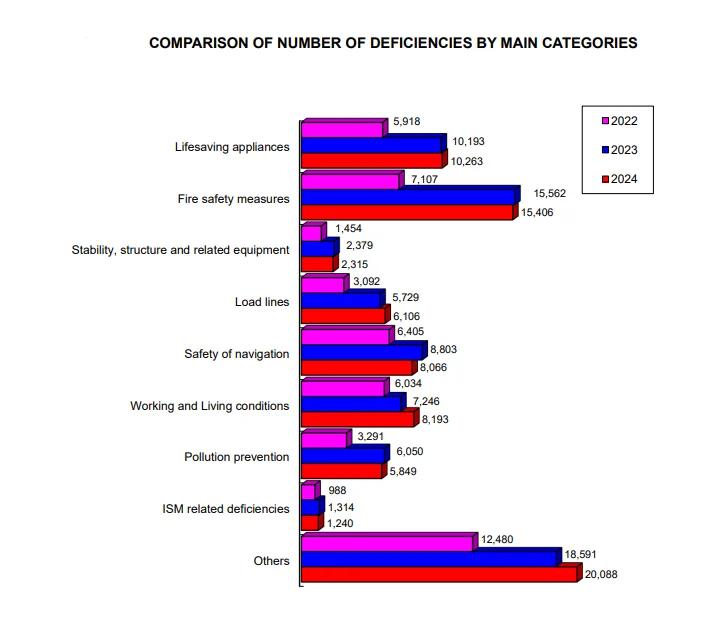
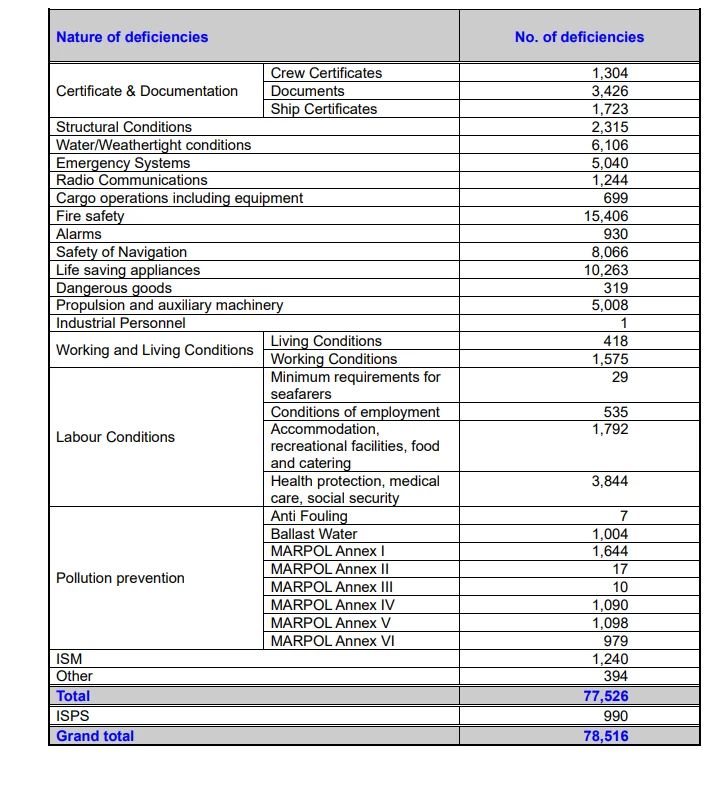
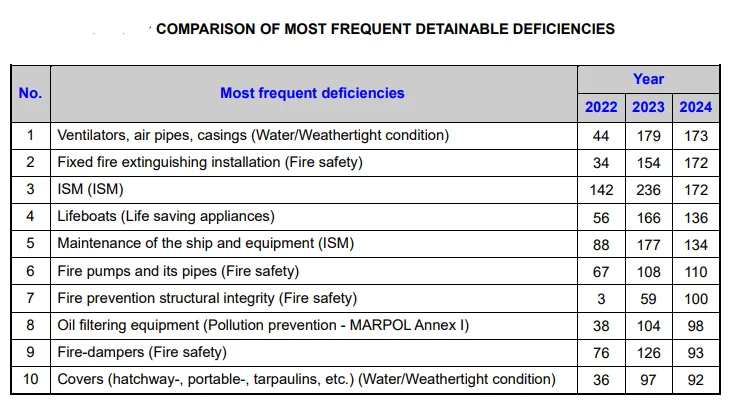
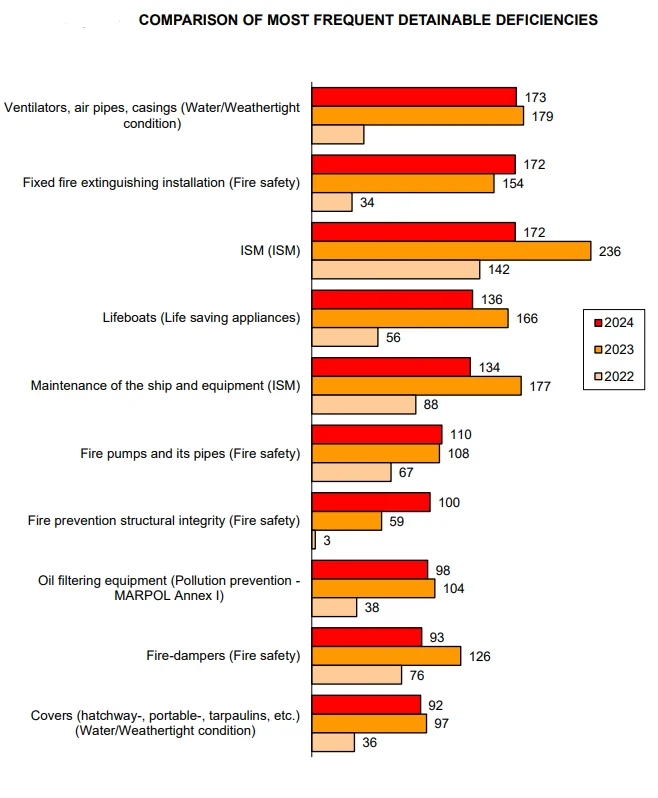
Below data from Tokyo MoU website available at https://www.tokyo-mou.org/wp/wp-content/uploads/ANN24.pdf