
Real-time information becomes your most powerful ally when you are out at sea, disconnected from the rest of the world. That is where NAVTEX steps in. If you are a deck officer, junior cadet, or even a ship enthusiast trying to understand maritime communication systems, this blog is your one-stop guide to what NAVTEX is, how it works, and why it matters so much onboard.
What is NAVTEX
The NAVTEX, or the Navigational Telex, is an international automated system broadcasting maritime safety information. It broadcasts navigational warnings, weather forecasts, and search and rescue alerts, along with urgent messages on safety to vessels without human intervention.
NAVTEX forms part of the Global Maritime Distress and Safety System, also known as GMDSS, which is vital for safe navigation.
How Does NAVTEX Work
NAVTEX operates on medium frequency radio signals and it usually transmits on the 518 kilohertz frequency for messages in the English language. Some regions also use 490 kilohertz for local-language messages.
A NAVTEX receiver installed on the bridge continuously listens for messages. These messages are printed out or stored digitally. The officer on watch reviews the information and takes necessary action if required.
Key Features of NAVTEX
- Automatic Reception: No manual tuning or operations required, as it operates independently after tuning.
- Message Storage: It stores messages from the past so officers can view them at any time.
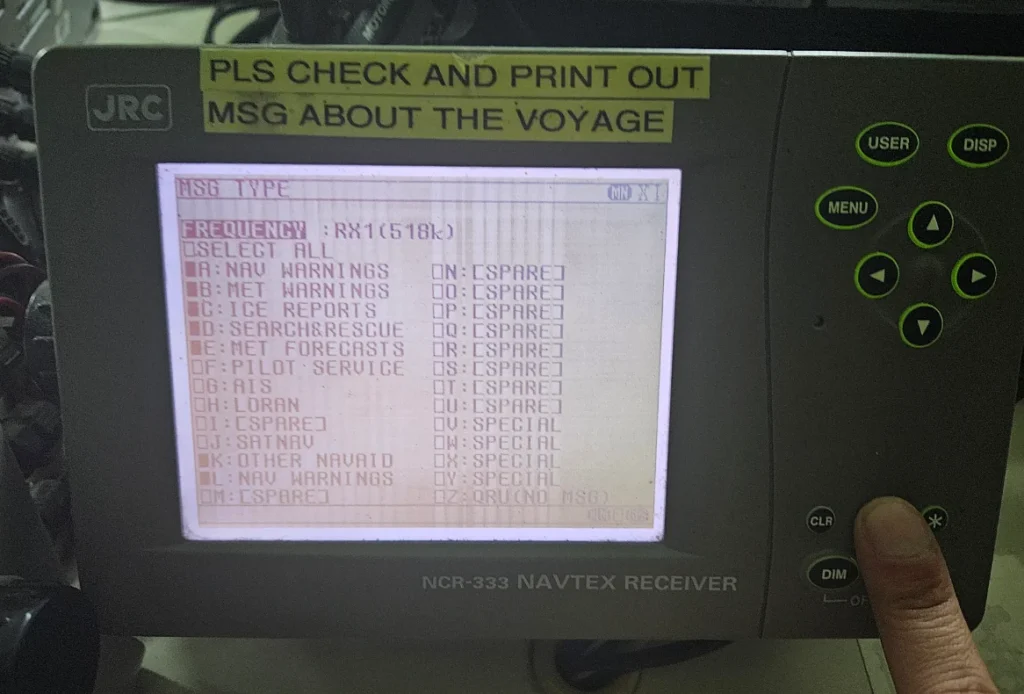
- Message Type Selection – Users can select the message types they want to receive, such as navigational warnings or meteorological reports.
- Geographical Filtering – NAVTEX provides for the possibility that ships only receive messages of relevance to their current or planned area of navigation.
Types of Messages Received on NAVTEX
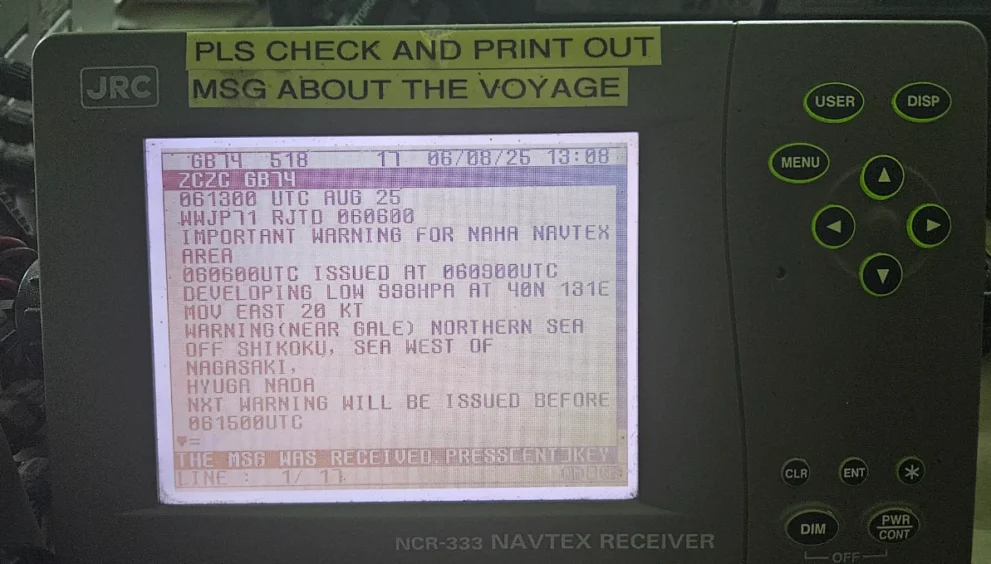
1. Navigational warnings – in connection to hazards such as buoys broken adrift or wrecks, or military exercises
2. Meteorological warnings and forecasts – Warning of storms, wind forecasts, sea conditions
3. Search and rescue information: Information on a distress call or activity in the area
4. Ice reports: Typically very important to trading routes in high latitudes.
5. Other Safety-of-life Messages – Such as changes to buoyage, aids to navigation unavailable, and security messages.
Why NAVTEX Is Important for Safe Navigation
For vessels beyond the range of coastal AIS displays but within 200 to 400 nautical miles of the coastline, NAVTEX may be the only means of receiving updated safety information. It can indeed be very important during night watches and in bad weather or emergency situations. Ignoring received NAVTEX messages is one sure way to make navigational errors, create delays, or have accidents.
NAVTEX Receiver Checks You Must Do
As part of the bridge equipment checks, here is what you must look for:
- Check whether the NAVTEX receiver is switched on and functioning correctly.
- Make sure paper roll is loaded or there is space in digital storage.
- Check antenna connections
- Test print function or clarity of display
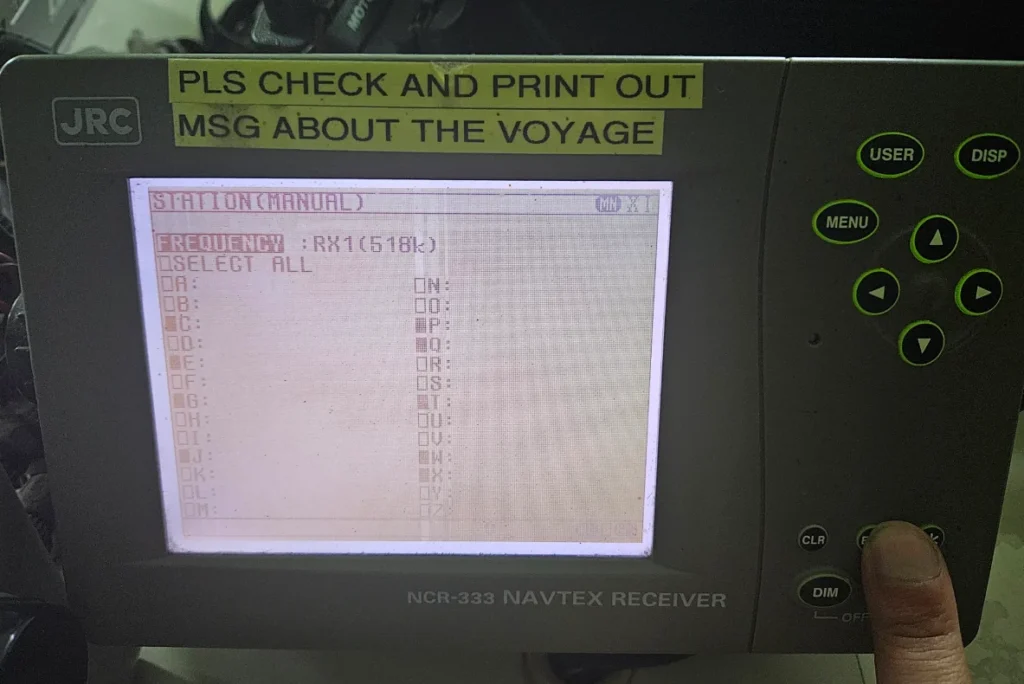
- Confirm that the correct message categories and stations are selected
- Review the latest received messages and note navigational relevance.
Common NAVTEX Errors to Avoid
Not checking if the unit is actually receiving messages
Accidentally turning off required message categories
Confusing older messages for newer ones
Ignoring station cover zones
How to Use NAVTEX in Passage Planning
During passage planning, review NAVTEX zones that your vessel will pass through. Pre-select those stations on your receiver. Record relevant messages in the bridge logbook throughout the voyage, especially those affecting navigation. Keep printed messages or digital copies until the end of the voyage.
Conclusion
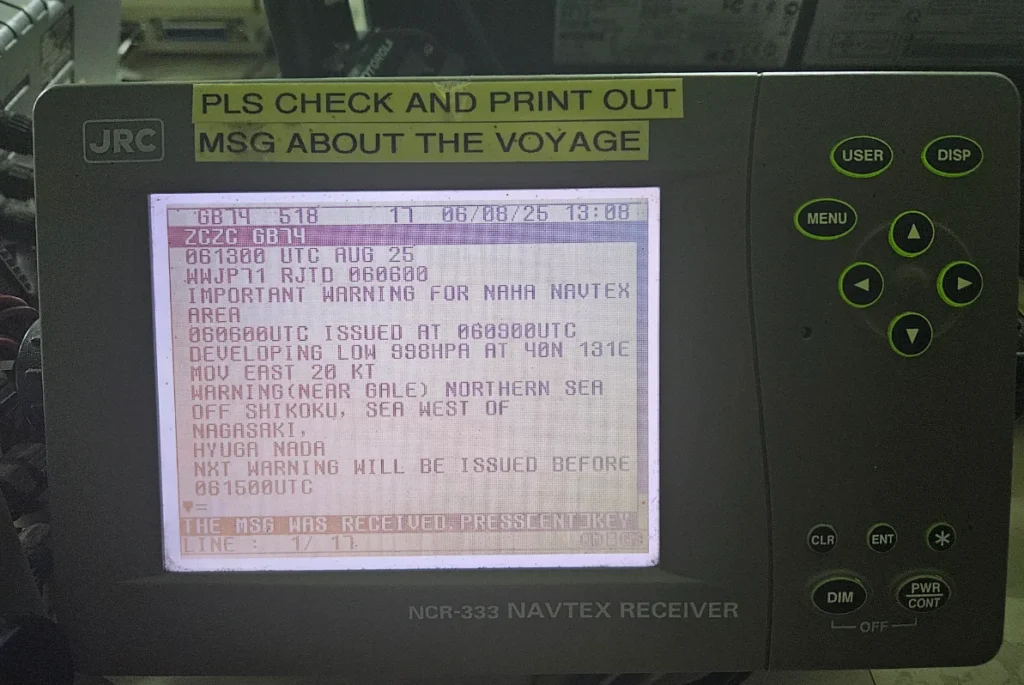
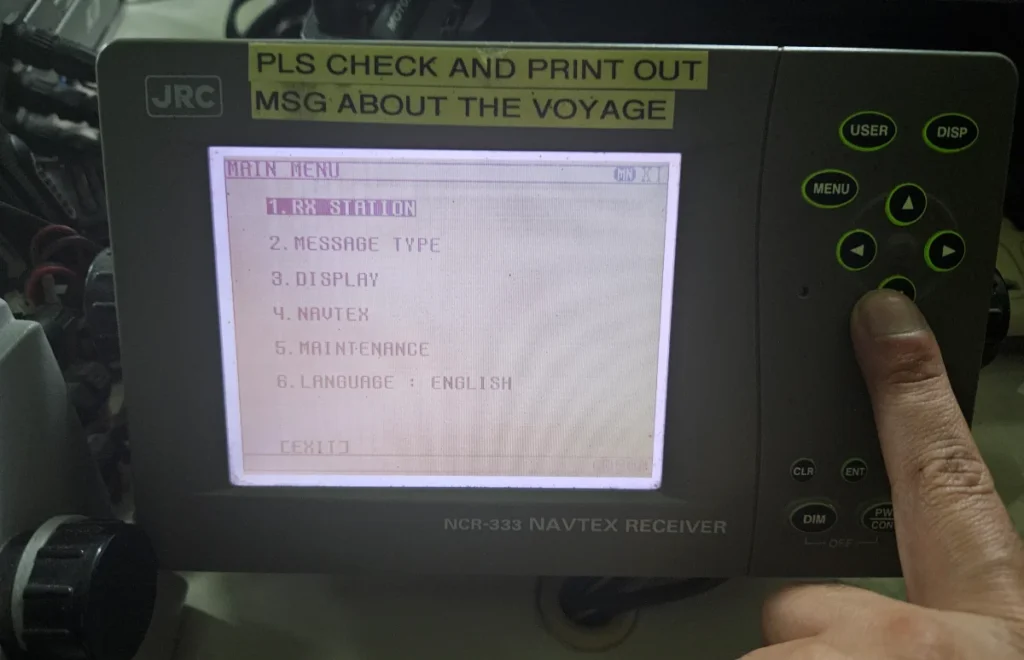
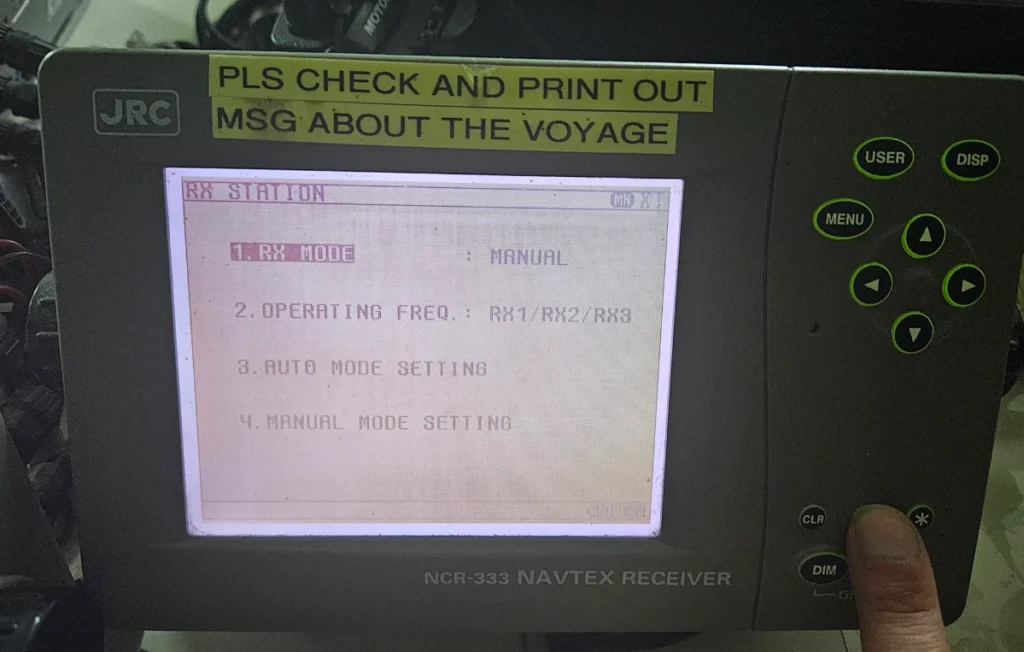
NAVTEX may feel very old-school in this age of satellites and real-time internet, but it remains an essential part of maritime safety communication. Understanding how to use it, check it, and interpret its messages can make all the difference during your watch. Never underestimate it. The sea does not forgive! Below are a few pics from an on-board JRC NCR 333-Navtex receiver, shared for educational purposes only