
Engine room blowers are among the most critical components of a ship’s ventilation system, responsible for supplying fresh air, removing heat, and maintaining safe atmosphere conditions for machinery and personnel. Despite being simple in appearance, blowers are commonly targeted during Port State Control inspections because ventilation directly affects fire safety, crew health, and machinery reliability. A malfunctioning blower can lead to rapid temperature rise, insufficient combustion air, and may even contribute to engine room fires. This blog covers everything a seafarer needs to know about these essential systems, including types, functions, PSC focus areas, typical faults, and maintenance strategies.
Purpose of Engine Room Blowers
Engine room blowers serve three main purposes:
Ventilation and Temperature Control
They maintain an acceptable working temperature by supplying cool or fresh outside air and removing hot, contaminated air. Without proper ventilation, engine room temperatures can rise above safe limits, reducing efficiency and endangering personnel.
Supply of Combustion Air
Main engines, generators, boilers, and incinerators require adequate combustion air. If blowers fail, negative pressure can form, causing engines to smoke excessively, trip alarms, or run inefficiently.
Gas Dilution and Removal of Fumes
Blowers help evacuate flammable vapours, exhaust leaks, and oil mist accumulations. Proper ventilation reduces explosion risk and ensures compliance with SOLAS fire prevention regulations.
Types of Engine Room Blowers
While configurations vary by vessel design, the common types include:
Supply Blowers
These introduce fresh air and maintain positive pressure inside the engine room. Positive pressure prevents ingress of fumes, cargo vapours, or smoke from adjacent spaces.
Exhaust Blowers
These extract hot, humid, or contaminated air and help maintain circulation patterns.
Axial Flow Blowers
Used for high-volume air delivery with relatively low pressure. Common in large engine rooms requiring massive air flow.
Centrifugal Blowers
Used where higher pressure is required, usually for spot ventilation or machinery room spaces like purifier rooms, sewage plant compartments, or workshops.
Local Ventilation Fans
Installed near switchboards, boiler fronts, or compressor rooms to ensure local cooling and to prevent heat pockets.
Regulatory Requirements
Engine room ventilation falls under:
SOLAS Chapter II-2 (Fire Protection) adequate ventilation to prevent heat accumulation and ensure safe operation of machinery.
ILO and MLC requirements for crew working environment.
Classification society rules for safe atmospheric conditions.
ISM Code maintenance of critical equipment.
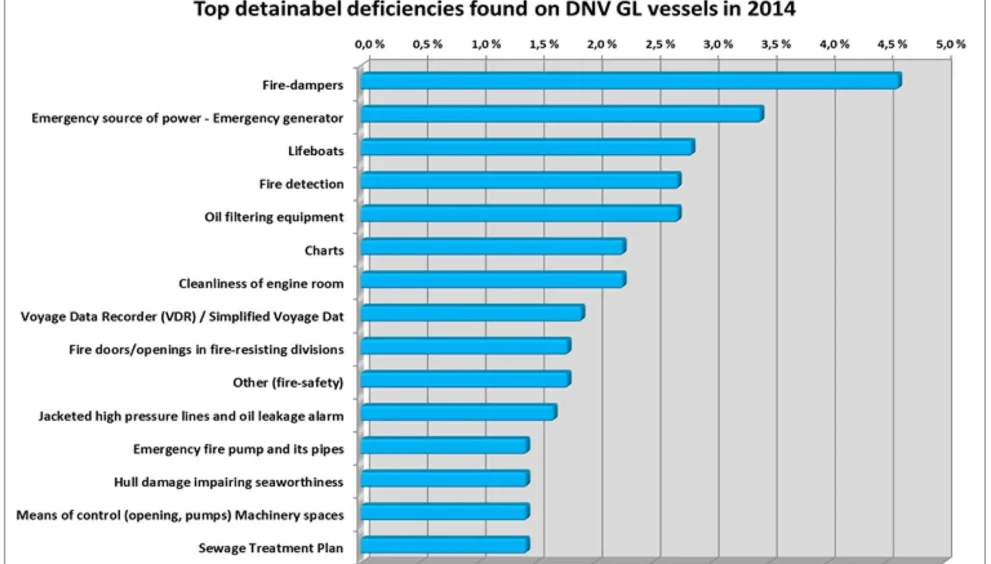
During PSC inspections, ventilation failures are frequently detained under fire safety or working conditions deficiencies.
Why Engine Room Blowers are Important
Engine room blowers are critical for the following reasons:
Prevent Machinery Overheating
Insufficient airflow can raise ambient temperature, causing failures in alternators, electronic components, pumps, and purifiers.
Maintain Proper Combustion Air Supply
Engines rely on constant supply of fresh air. Poor airflow results in incomplete combustion, black smoke, and engine underperformance.
Prevent Oil Mist Accumulation
Oil mist is a fire hazard. Proper ventilation ensures dilution and removal of oil particles created during machinery operation.
Enhance Crew Safety
Engine room temperatures can cross 50–60°C without strong ventilation, exposing crew to heat stress and dehydration.
Compliance and PSC Risk Reduction
PSC considers ventilation failures as serious deficiencies because poor ventilation directly increases fire risk.
PSC Focus: What Inspectors Check
PSC inspectors generally examine the following points:
Fan Operation
All engine room blowers must be operating properly. PSC may ask to run both supply and exhaust blowers.
Ventilation Flaps and Fire Dampers
Fire flaps must open and close fully. The inspector may ask for demonstration. They must be clearly marked, greased, and free from corrosion.
Remote Operating Cables and Handles
Remote shut-down cables should operate smoothly from outside the engine room. Broken or stuck cables are a common deficiency.
Condition of Fan Motors
PSC checks for overheating, abnormal noise, sparks, or visible damage.
Vent Trunking and Duct Integrity
Excessive oil deposits, loose insulation, corroded ducts, or open bypasses raise red flags.
Emergency Stop Function
Ventilation fans must stop from the fire control station and local emergency buttons. PSC will often test this directly.
Airflow Direction Labels
Supply and exhaust fans must be clearly labelled with arrow indicators showing airflow direction.
Fire Screen Doors and Boundary Tightness
Vent openings must not compromise fire boundaries. Damaged gaskets or badly fitting doors often lead to observations.
Cleanliness of Filters and Screens
Clogged screens reduce airflow and indicate poor maintenance.
Common Issues Noticed During Inspections
PSC frequently raises deficiencies for:
Non-working blowers
Fire flaps stuck or difficult to operate
Remote cable seized due to rust or lack of lubrication
Oil-soaked vent trunkings posing a fire hazard
Fans running with heavy vibration
Local emergency stops inoperative or bypassed
Wrong airflow direction after wiring or maintenance work
Fan motors operating with broken guards or exposed couplings
Noise or smoke coming from fan bearings
These issues often lead to detentions under fire safety, working conditions, or ISM non-conformities.
Maintenance Requirements and Best Practices
Engine room blowers need periodic inspection and upkeep to ensure reliability and compliance. recommended best practices include:
Weekly Checks
Check for abnormal noise, vibration, motor current, and temperature.
Verify that emergency stops and remote shutdowns function correctly.
Monthly Checks
Inspect fire flaps, hinges, and remote gears for smooth operation.
Clean intake screens and filters.
Grease fan bearings and inspect for end play or wear.
Quarterly / Planned Maintenance
Open blower casing for internal inspection.
Clean impeller blades thoroughly; dirt reduces airflow drastically.
Check for cracks or corrosion in ducting.
Test all fire dampers fully from local and remote positions.
Ensure proper alignment and balance of the fan motor and impeller.
Before PSC or External Audit
Operate all fans at least 24 hours before arrival to ensure reliability.
Check each fan for airflow direction and label clarity.
Ensure all flaps, dampers, cables, and remote systems operate smoothly.
Document maintenance clearly in PMS records for PSC verification.
Signs of Blower Problems Crew Should Watch For
Burning smell from motors
Fan vibrating excessively
Reduced air flow or temperature rise
Impeller coated with dust or oil
Shut-down switch not responding
Fan tripping on overload
Noise from bearings or coupling
Dampers difficult to operate
Timely reporting and corrective action prevents serious incidents and PSC trouble.
Conclusion
Engine room blowers are a critical component of a ship’s safety and operational reliability. They provide temperature control, combustion air, and fire safety compliance while ensuring a safe working environment for the crew. PSC inspectors routinely check blowers, fire flaps, and remote shutdown systems because a failure in ventilation can quickly lead to fire hazards and machinery damage. Regular maintenance, proper documentation, clean ventilation ducts, and timely repairs are essential to ensure compliance with SOLAS and ISM requirements. A vessel with well-maintained and functional blowers sends a strong signal of good safety culture and reduces the risk of PSC detentions.