WHY NAVIGATION LIGHTS ARE IMPORTANT?

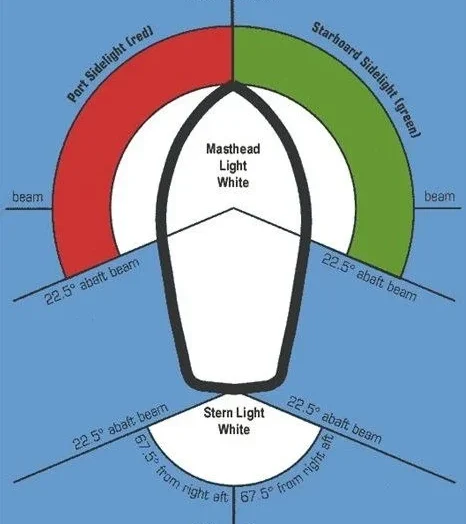
Red and green navigation lights are essential safety features that indicate a ship’s direction and prevent collisions at sea, as required under international maritime rules. From a ship captain’s perspective, mentoring juniors and cadets about the correct understanding and use of these lights is critical for nurturing watchkeeping competence and professional responsibility. Why Red and […]

Fresh Water Generator

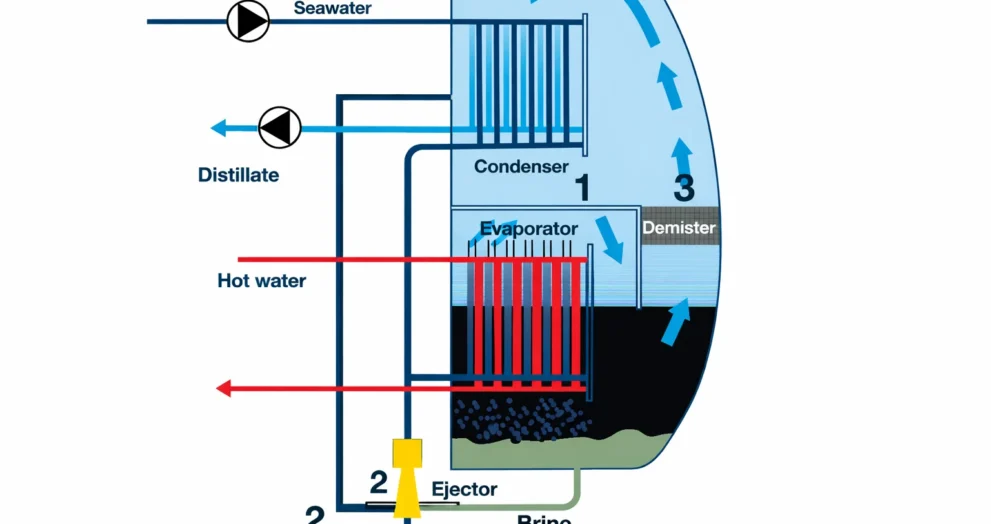
A fresh water generator (FWG) is one of the unsung yet essential machines onboard every vessel, converting seawater into fresh water for daily use. For cadets and junior engineers, mastering its operation is a key step toward safely sustaining crew life and honing engine room competency. The following blog, written from the perspective of a […]

Detectors

Smoke Detector vs Heat Detector Onboard Ships: A Chief Engineer’s Mentorship Guide As your Chief Engineer, one of my key roles is not just to keep the ship running but to mentor you—the future leaders at sea—in understanding the critical safety systems that protect us every day. Among these, fire detection systems are absolute lifesavers. […]

Main LPG Comp

Overview and Safety Maintaining a ship’s LPG cargo compressor demands a systematic approach that prioritizes both technical precision and safety at every stage. Before starting work, always ensure the compressor is shut down, depressurized, purged with nitrogen, and physically isolated from the main system. Strict adherence to plant and local safety protocols is essential—never compromise […]

Introduction to Marine Screw Compressors

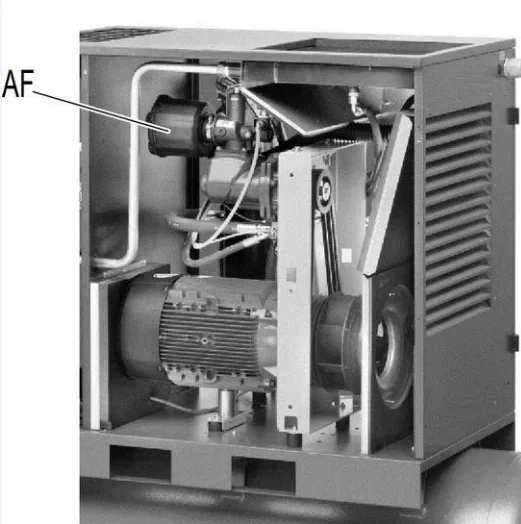
A screw compressor is an essential piece of machinery onboard ships, tasked with supplying compressed air for a wide range of vital operations—such as engine starting, control systems, and service air requirements. Marine screw compressors are favoured for their reliability, steady output, and efficiency, making them the industry standard for continuous duty air supply in […]

The Basics of Air Compressors on Ships: A Guide for Aspiring Fourth Engineers

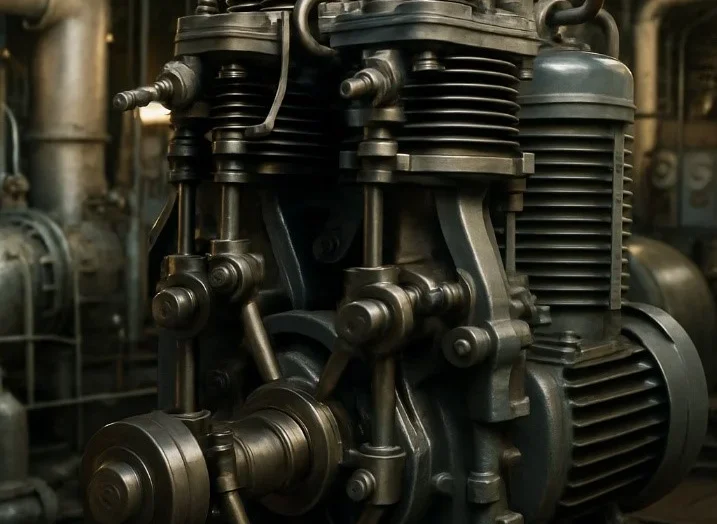
As you prepare for your journey as a Fourth Engineer onboard, one of the first pieces of machinery you will interact with on a daily basis is the air compressor. This might look like another piece of heavy equipment in the engine room, but its role is far more important than what meets the eye. […]

Proper Operation Guidance for Ship LPG Cargo Compressors

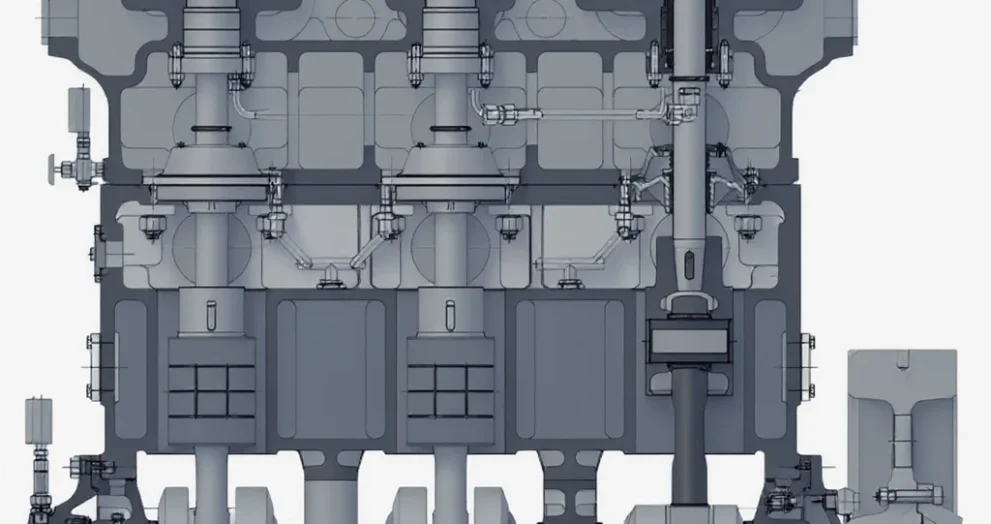
For Reliquefaction Process — Insights from a Chief Engineer LPG cargo compressors are pivotal in the reliquefaction systems of LPG carriers. These compressors handle boil-off vapors (BOG) from the cargo tanks, compressing and conditioning the vapors to liquefy the gas and return it to the tanks, thereby maintaining pressure and minimizing cargo loss. Operating these […]

Chemical Tanker Safety

A chief engineer’s guide for junior engineers on a chemical tanker must emphasize rigorous safety management, practical risk assessment, and the disciplined use of personal protective equipment (PPE) during all operations. This approach not only meets regulatory compliance but also cultivates a safety-first culture that minimizes incidents and ensures everyone’s well-being onboard. Safety Management & […]

Introduction to Marine Control Air Dryer

Marine control air dryers play a crucial role in ensuring the quality and reliability of compressed air systems onboard ships. Compressed air taken in from the atmosphere contains water vapor and numerous contaminant particles which, when compressed, can precipitate as moisture and aggressive contaminants inside the piping system. This moisture combined with oil and heat […]

CO₂ Fire Extinguishing System — The Last Line of Defense

When you stand on the steel deck of an engine room, surrounded by machinery and the constant hum of working life, fire safety isn’t just another drill—it’s a responsibility that sits heavy on the shoulders of every seafarer. For Chief Engineers and Masters, ensuring that the crew knows what to do when danger strikes isn’t […]

  • 1
  • 2