Top Navigational Equipment Aboard

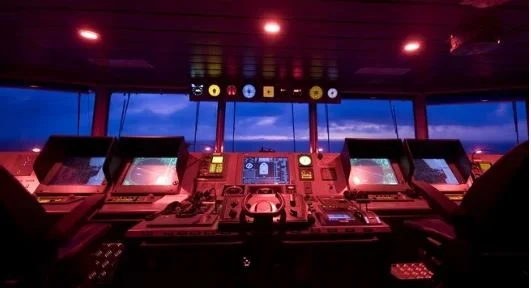
The Merchant Navy’s Unsung HeroesWhen you’re miles away from home, with sea and stars all around you, one element keeps a vessel on track: navigation. Contemporary merchant vessels are mini-cities at sea. Behind their smooth voyage is a sophisticated network of hi-tech navigational equipment. These devices guarantee safety, efficiency, and precision when sailing across oceans. […]

Understanding BNWAS: Purpose, Requirements & Performance Standards

In maritime navigation, even a brief moment of distraction on the bridge can lead to serious accidents. That’s why staying alert is absolutely crucial; vigilance cannot be overlooked. To ensure that the officer on duty remains awake and attentive throughout the voyage, ships are equipped with the Bridge Navigational Watch Alarm System (BNWAS). This system […]

Anabatic and Katabatic Winds – What All Seafarers Need to Know

When sailing close to coastlines or hill country, it is not unusual to get caught out by an unexpected gust either blowing up a slope or sweeping down unexpectedly. They are not random – they’re part of the natural wind systems called anabatic and katabatic winds. If you find yourself sailing in these areas, learning […]

How to Calculate True and Apparent Wind

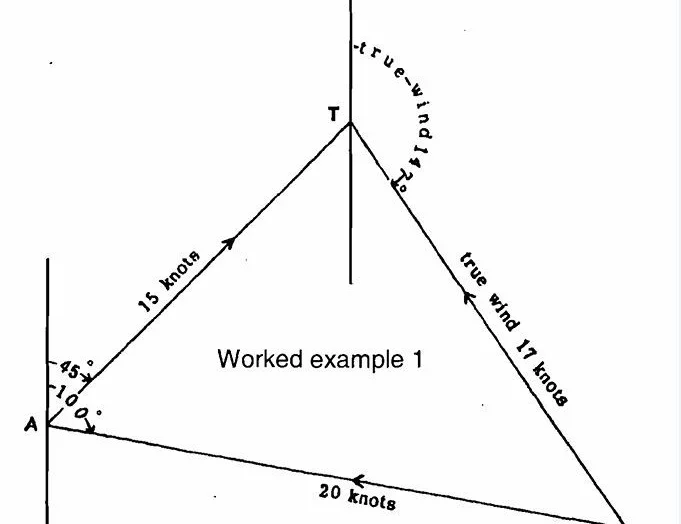
Knowing how to calculate true wind and apparent wind is important on a ship, not only for navigability but also for operational planning and safety. Two of the most common terms that are used when working with wind on the sea are true wind and apparent wind. While they’re similar, they are not identical—and understanding […]

Fire Safety Systems (FSS) Code: A Complete Overview

Fire is one of the most serious emergencies at sea. Due to the limited escape routes and combustible materials on board, ships must be completely prepared in case this emergency arises. This is where the Fire Safety Systems (FSS) Code, developed by the International Maritime Organization (IMO), comes into play. The FSS Code ensures that […]

International Shore Connection

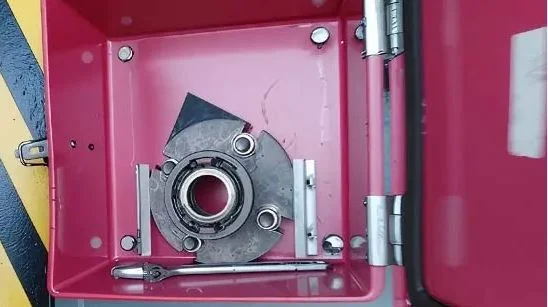
If there’s a fire onboard your ship while it’s alongside a port, and your own firefighting pumps are down, how do you get help from shore? That’s where the International Shore Connection (ISC) comes in. It’s one of those things that quietly sits on board, rarely used—but when the time comes, its role is absolutely […]

Mooring a Ship: Precision, Pressure, and Perfect Timing

When a ship reaches port, its engines may stop, but the work doesn’t. Mooring—the act of securing a ship to a dock or buoy—is one of the most delicate operations in seamanship. What looks simple from the shore is, in truth, a complex process requiring timing, spatial awareness, and teamwork across the deck and bridge. […]

Ship’s Hull

When others see a ship, they marvel at its height, the grand bridge, superstructure, or high-stacked cargo on board. Little do they notice, however, that beneath all that external machinery and superstructure is the actual workhorse of the ship — the hull. It is the surface that directly deals with the sea, cutting through waves, […]

Dry Docking: The Necessary Halt in the Lifespan of a Ship

It is all too easy to forget the wear and tear below the waterline when out at sea. Marine growth accumulates beneath the hull, equipment deteriorates, and corrosion gnaws away stealthily. This is why dry docking is a thing — not as a mere routine nicety but as a matter of course reboot for any […]

Ship Propellers: Types, Working Principles, and Design Explained

When we examine ship propulsion, we usually mean the engine since it propels the ship forward. However, it’s the propeller that works quietly underwater. Without the propeller, the ship cannot move, no matter how capable the engine is. In this article, we will clarify how ship propellers work, what materials they are made from, and […]