
Marine centrifugal pumps form the backbone of fluid handling in ship engine rooms, designed to industry standards for reliability under harsh conditions like ship rolling and high temperatures. These pumps ensure critical systems like cooling, lubrication, and fuel transfer operate smoothly. Understanding their basics helps cadets prevent breakdowns and maintain safety.
Pump Basics
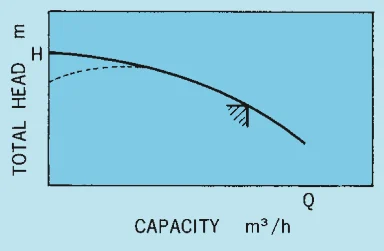
Centrifugal pumps work by an impeller accelerating liquid outward, creating pressure via centrifugal force for efficient transfer. Modern pumps feature H-Q curves that descend continuously to the right, ensuring shaft horsepower stays within motor limits during operation. Key components include the casing, impeller, shaft, bearings, and stuffing box, with vertical pumps installed perpendicular to the keel and horizontal ones parallel.
Common Types and Uses
Pumps handle seawater up to 32°C and pressures up to 50°C ambient, tailored to engine room duties.
- Seawater pumps (e.g., cooling): Circulate seawater for jacket cooling; options like zinc anodes prevent corrosion on continuous-use models
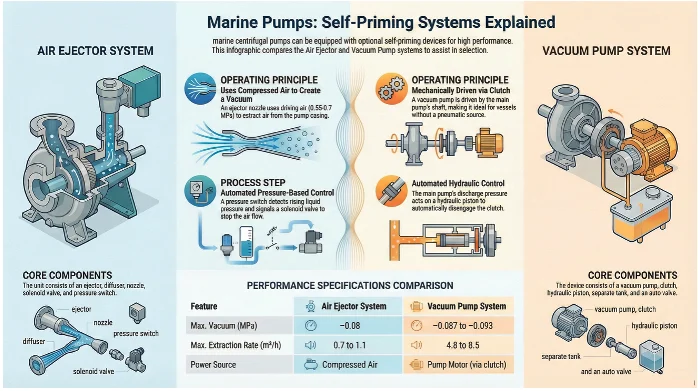
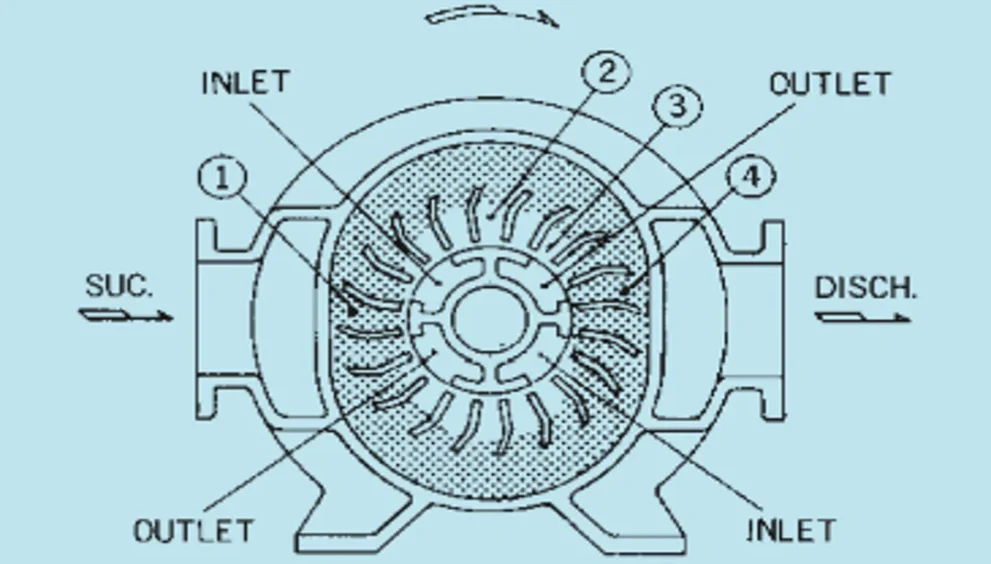
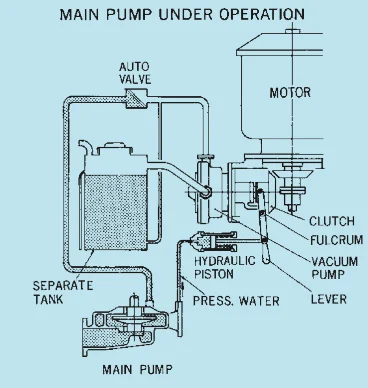
- Bilge and ballast pumps: Remove water from compartments; self-priming variants use air ejectors or vacuum pumps for emergency situations
- Lubricating oil (LO) pumps: Transfer LO to engines; oil bath or grease lubrication on bearings
- Fuel oil (FO) and boiler feed pumps: High-pressure delivery; special impellers resist alkaline corrosion if pH >8.5
- Condensate pumps: Handle low-NPSH (Net Positive Suction Head) conditions in turbo-generators; stainless impellers avoid cavitation damage
Key Features
Vertical models use line bearings with liquid lubrication to prevent rust from leaks—a critical design lesson learned from field experience. Bearings achieve over 60,000 hours life, lubricated by grease (NLGI No.2) or ISO VG68 oil, with temperature rises limited to 40°C above ambient or 20°C above liquid temperature. Seals include gland packing or mechanical types (balanced/unbalanced), with flushing systems for cooling and lubrication; pressure gauges and air vents aid monitoring.
Real-World Lessons from the Field
Water Leakage and Rust in Vertical Pumps
Many operators have experienced troubling problems with lower-side bearings in vertical pumps, where water leakage from the stuffing box caused ball bearings to corrode and fail prematurely. This led to the adoption of line bearings with liquid lubrication using pump discharge liquid. This design innovation significantly reduces bearing rust and extends service life. As a Engineer understand that if you notice water dripping from the stuffing box, don’t ignore it—this is a warning sign that corrosion is likely attacking the bearings below.
Cavitation Damage in Condensate Pumps
Main condensate pumps in LNG carriers and turbo-generator condensate pumps operate under very low NPSH conditions, making them vulnerable to cavitation erosion—a process where vapor bubbles collapse and pit the impeller surface. To combat this, stainless-steel impellers are now recommended for these critical applications to provide superior erosion resistance. Cavitation typically produces a characteristic “popcorn-like” noise and vibration; hearing this during operation means immediate action is needed.
Alkaline Corrosion in Boiler Feed Pumps
Boiler feed pumps in diesel vessels have suffered alkaline corrosion when handling liquids with pH values above 8.5. The solution: material combinations of stainless-steel impellers with ductile-cast-iron mouth rings now protect against this chemical attack. This teaches an important lesson—pump material selection directly depends on the liquid chemistry, not just the flow rate.
Design Improvements for Reliability
Vibration and noise have been carefully engineered down through design refinements:
- Vibration tolerance: maximum 3.3–5.3 mm/s depending on pump size and speed
- Noise limits: under 100 dB (measured 1 meter from pump at rated operation)
Excessive vibration or noise indicates bearing wear, cavitation, or impeller damage—all signs requiring immediate inspection.
Engine Room Checks During Your Rounds
As a Engineer, spotting issues early prevents costly failures. Here’s what to check:
Bearing Condition:
- Verify bearing oil/grease levels via sight gauges; top up with approved lubricants (ISO VG68 mineral oil or NLGI No.2 grease)
- Feel bearing housing temperature—should not exceed 75°C or ambient temperature by more than 40°C
- Listen for grinding or unusual noise, which indicates bearing degradation
Stuffing Box and Seals:
- Inspect for water leakage; gland packing should drip 3–5 drops per minute—more indicates problems
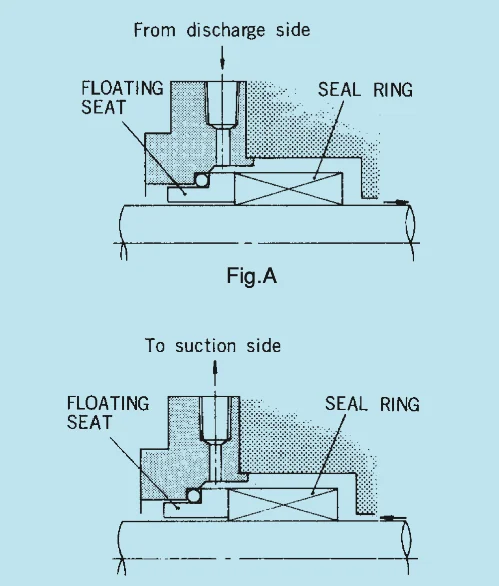
- Check mechanical seal flushing flow if fitted; flushing cools and lubricates the seal faces
- Look for salt deposits (on seawater pumps) indicating evaporation from leaks
Gauges and Valves:
- Check suction and discharge pressure gauges for abnormal readings; root valves should operate smoothly
- Clear any blockages in air vent valves at the pump’s highest point
- Ensure coupling safety covers are secure
Priming and Protection:
- Confirm self-priming devices (air ejectors or vacuum pumps) function during startup
- Inspect zinc anodes on seawater pumps for consumption; replace when 50% eroded
- Listen for cavitation signs (crackling noise) indicating low suction pressure or vapor formation
Vibration and Noise:
- Record baseline vibration during normal operation; sudden increases signal trouble
- Abnormal noise (<100 dB expected) often precedes mechanical failure
Maintenance and Preservation
Regular upkeep extends pump life significantly and prevents emergency shutdowns at sea.
Lubrication Best Practices
Use only approved lubricants:
Check levels monthly; overfilling causes heat buildup, underfilling causes starvation and bearing failure.
Seal and Packing Maintenance
- Gland packing (standard on most pumps): Replace every 2–3 years or when leakage exceeds 10 drops/min; tighten gland nuts gradually (1/6 turn per watch) to avoid sudden seal loss
- Mechanical seals (on high-pressure or special service pumps): Monitor flushing flow and temperature; replace seal rings if leakage increases or flushing pressure drops
- Ensure balanced seals on tank-mounted drain pumps receive correct stuffing box pressure
Self-Priming Device Care
Air ejectors:
- Check solenoid valve and pressure switch operation weekly
- Ensure driving air supply is clean and between 0.55–0.7 MPa
- Listen for abnormal operation; seal failure prevents priming
Vacuum pumps:
- Fill water in the casing to half level before starting
- Inspect clutch engagement smoothly when pump starts
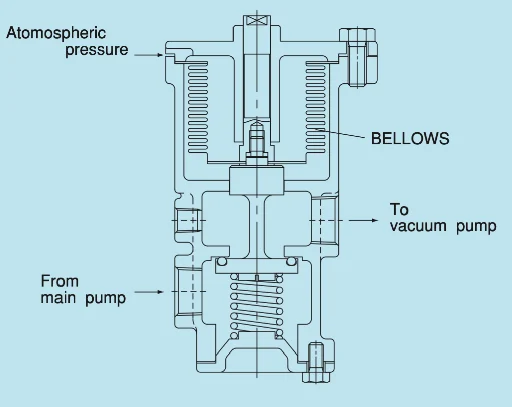
- Check auto valve bellows for leaks; failure prevents proper priming
Seawater Pump Protection
Continuous-use seawater cooling pumps require special attention:
- Inspect zinc anodes monthly; replace when 50% consumed to prevent corrosion of iron or bronze components
- Use stainless-steel impellers (SCS14 material) for extended life in corrosive seawater
- Install a short polyethylene-lined pipe at the suction side (200–300 mm) with a zinc anode or sacrificial steel pipe to extend component life
Condensate Pump Care
Condensate and turbo-generator pumps operating at low NPSH need vigilant monitoring:
- Maintain high suction head; never allow suction pressure to drop excessively
- Use stainless-steel impellers to resist cavitation erosion
- Check discharge for small metallic particles (impeller pitting); if found, plan overhaul
- Monitor noise and vibration closely; early detection prevents catastrophic failure
When Taking Engine Room Rounds
Daily checks:
- Oil/grease level and condition (color, viscosity)
- Leakage from stuffing box and seals
- Temperature of bearing housings and casing
- Pressure gauge readings and gauge valve function
- Abnormal noise or vibration
- Air vent valve clear
Weekly checks:
- Mechanical seal flushing flow (if fitted)
- Zinc anode condition on seawater pumps
- Priming device operation (for self-priming pumps)
- Coupling alignment and cover integrity
- Suction and discharge line blockages
FLUSHING
Monthly checks:
- Vibration measurement at baseline and current operation
- Bearing temperature trend analysis
- Lubricant analysis (if condition monitoring program exists)
- Seal packing tightness and leakage rate
- System pressure and flow rate against design values
Overhaul and Repair Guidance
When planning overhauls:
- Shaft alignment (tolerance: ±0.05 mm for horizontal pumps)
- Impeller balance (residual unbalance: <2.5 mm/s per ISO standards)
- Bearing preload and clearance per manufacturer specs
- Seal assembly and flushing line connections
- Vibration testing post-repair (must meet 3.3–5.3 mm/s limits)
- Keep spare parts per industry standards (at minimum: impellers, seals, bearings, packing kits)
Final Thoughts for Engineers
As a Chief Engineer, I’ve seen too many young officers overlook pump maintenance until failure forces shutdown at critical moments—sometimes in rough seas or emergency situations where we can’t afford downtime. The pumps aboard your ship are hardworking, reliable systems if treated with respect and consistent care.
Your responsibility during engine room rounds is to be the early warning system. A few extra minutes checking bearings, seals, and gauges can prevent days of repair work at sea. Learn the baseline behavior of each pump—its normal pressure, temperature, and sound—so you immediately recognize when something changes.
Remember: early detection saves lives, equipment, and reputation. The industry’s hard-won lessons about water leakage, cavitation, corrosion, and seal failures are now built into modern pump designs. Your job is to preserve those designs through proper maintenance and vigilant observation.
Safe sailing, and keep those pumps running smooth.