

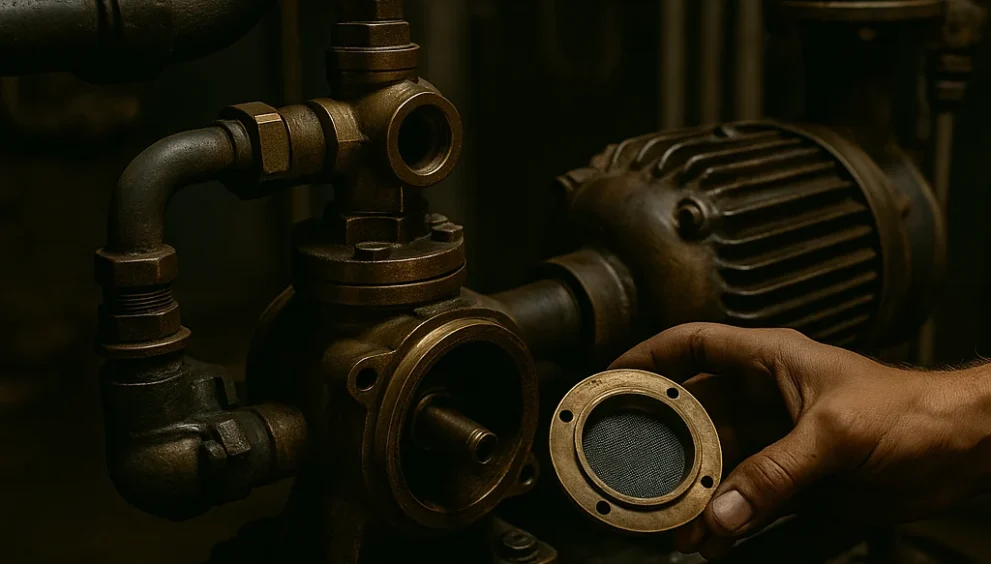
The auxiliary boiler it’s the silent workhorse on every vessel. It keeps things running behind the scenes: heating, fuel treatment, cargo operations, and more. But when it trips due to a flame failure or the fuel pump shuts down unexpectedly, it’s not just an inconvenience. It’s a serious safety risk.
So, what do you do when that dreaded alarm goes off? Don’t panic. This guide walks you through how to handle flame failure and fuel pump tripping calmly and correctly.
What Causes Flame Failure?
A flame failure basically means your burner flame has gone out when it wasn’t supposed to. The boiler’s safety system reacts instantly by cutting off the fuel supply and for good reason. Unburnt fuel sitting inside a hot furnace is a huge explosion risk.
Here are the usual suspects:
- Low fuel pressure or an airlock in the supply line
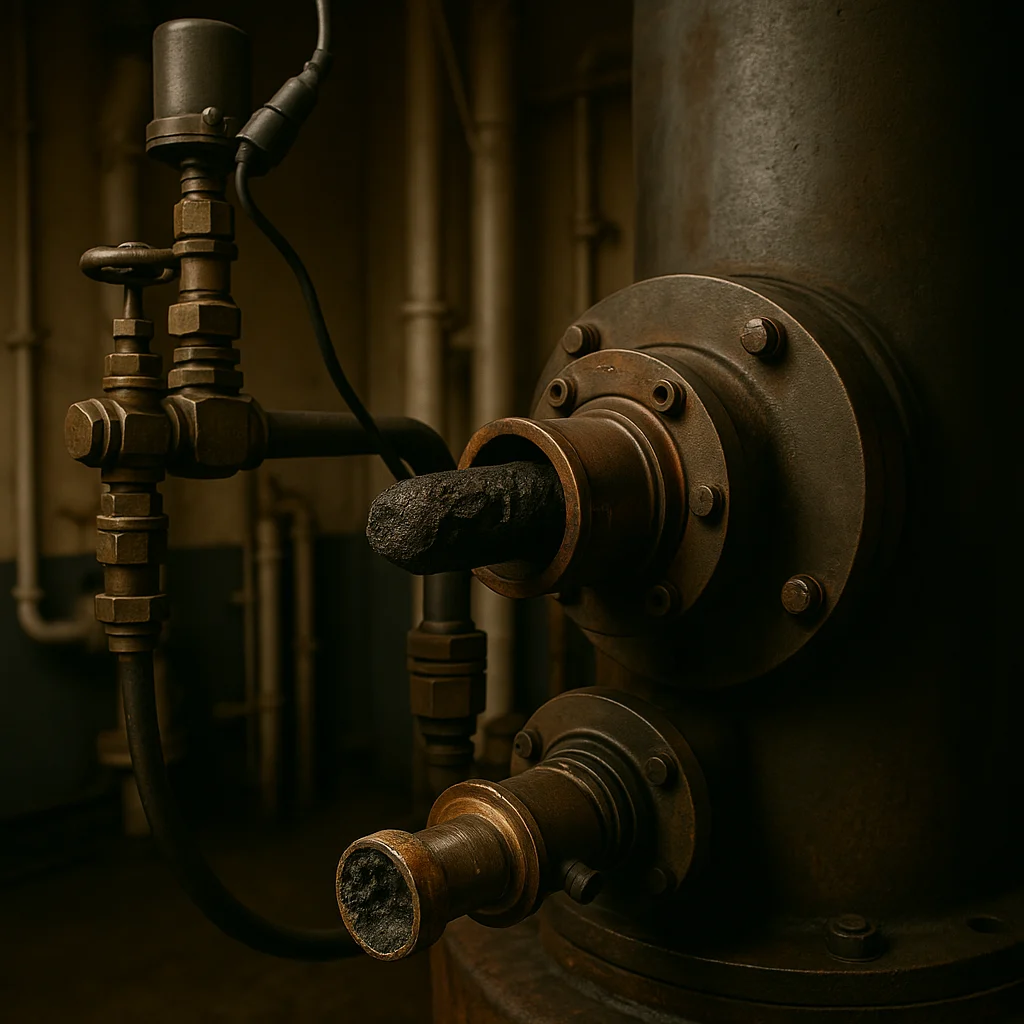
- Dirty or clogged burner nozzle
- Faulty spark electrode or ignition transformer
- A malfunctioning flame eye (photocell)
- Low atomizing steam or air pressure
- Water or sludge in the fuel oil
Step-by-Step: What to Do If the Flame Fails
Acknowledge the Alarm
- The boiler will shut itself down automatically.
- Silence the alarm (don’t ignore it, just silence it).
- Inform the duty engineer or officer on watch right away.
Don’t Rush to Restart
- Treat flame failure as a serious red flag.
- Never try to bypass the interlock or manually force the burner to start. It’s not worth the risk.
Start Troubleshooting
Here’s what to check before touching any restart button:
- Is the fuel pump pressure, okay?
- Is the burner nozzle clean or choked up with carbon?
- Is the spark electrode working properly?
- Can the flame eye actually detect a flame, or is it dirty or faulty?
- Is the atomizing pressure (air or steam) high enough?
- Any signs of fuel contamination?
Purge the Furnace
Before trying to fire up again, you must purge the furnace to clear out any unburnt fuel.
- Run the purge cycle with air for at least 2 to 5 minutes (follow your boiler’s manual).
- Never skip this step it could be the difference between a smooth restart and an onboard emergency.
Restart Only When It’s Safe
Once you’ve found and fixed the issue:
- Reset the boiler controls.
Follow the proper startup sequence no shortcuts
Tips from Real-Life Engineering Watchkeepers
- Log everything flame failure, pump trip, purging, resets it’s all got to go in the engine room logbook.
- If unsure, don’t guess call the Chief Engineer or senior watchkeeper.
- Keep the burner, fuel filters, and sensors clean. A well-maintained system rarely fails.
- Test your flame eye and interlocks during your PMS routines.
- Respect your safety systems they’re designed to save your life, not make your job harder.
Final Thoughts
Flame failures and fuel pump trips are part of life at sea but how you handle them makes all the difference. Don’t panic, don’t rush, and definitely don’t try to “just reset and hope.”
Take your time to troubleshoot, purge properly, and restart only when it’s safe. Because your safety, your team’s safety, and your ship all depend on you getting it right.