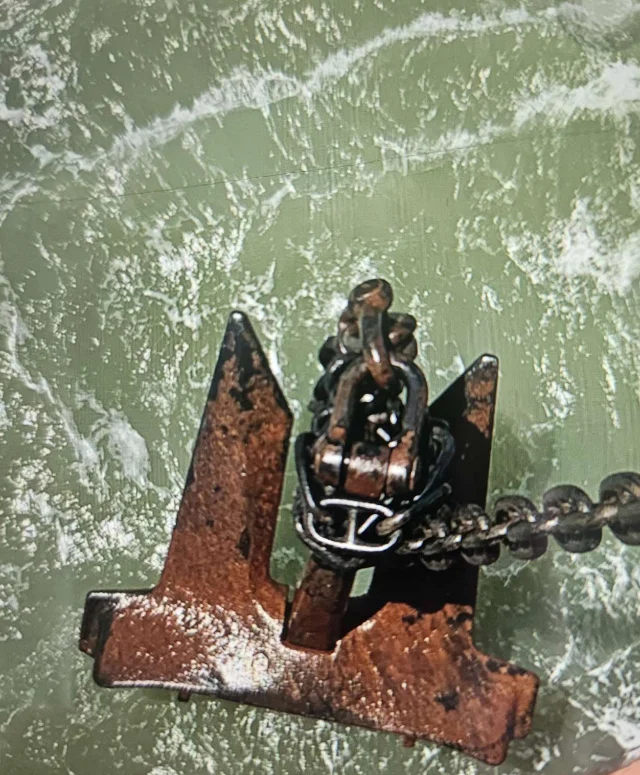

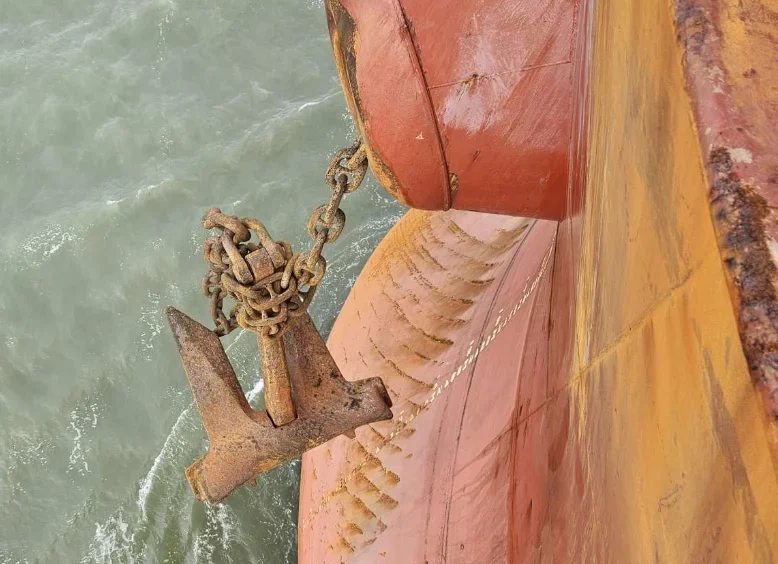
Anchoring is one of the most common operations for a ship, but it is not bereft of hazards. One of the common anchoring problems on the ships is the foul anchor. Unless properly addressed, a foul anchor may endanger lives, destroy equipment, and delay operations. It is important that every Master and deck officer understands its causes, risks, and remedies.
What is a Foul Anchor?
A foul anchor refers to the anchor that is tangled, hooked, or otherwise hindered and cannot be dropped, raised, or set properly. Such tangling can include the following:
- The anchor itself
- The anchor chain
- Other anchors
Submerged hazards include rocks, wrecks, and debris.
If the anchor is fouled, it cannot perform its primary function of holding the ship, and thus it might present an actual danger in certain circumstances, such as bad weather.
Types of Foul Anchors
- Chain Foul – The anchor chain loops around the anchor or itself, causing tension or jam during retrieval.
- Anchor Foul – The anchor flukes get stuck in rocks, coral, wrecks, or debris on the seabed.
- Multiple Anchor Foul – Two or more anchors set in close proximity to each other become fouled.
- Rope or Line Foul: The mooring lines or ropes foul the anchor or chain, limiting movement.
Common Causes of Foul Anchors
Poor anchoring techniques: Not laying the chain properly or sudden maneuvering while at anchor.
Obstructions on the seabed: Rocks, wrecks, pipelines, cables, or debris.
Multiple anchors being thrown out can become entangled in service.
Severe weather or tidal condition: Strong currents and wind can displace the anchor or chain into a tangled position.
Anchor dragging When the anchor slips along the seabed, it may twist the chain or entangle itself.
Signs of a Foul Anchor
Difficulties in raising the anchor or unusual strain on the windlass.
Dragging or swinging of the ship at anchor, other than expected.
Strange clanging, or scraping sounds from the chain.
Uneven tension on the anchor cable or chain.
Dangers of a Foul Anchor
Loss of anchoring ability: The vessel may drift dangerously in confined waters or near hazards.
Equipment Damage: Anchor, chain, windlass, or deck fittings can be damaged.
Operational delays: Delays in raising or repositioning the anchor may result in delays in ports or create navigation hazards.
Crew safety risk: If an anchor cannot be freed, attempts may put personnel in danger if not correctly planned.
Methods to Free a Foul Anchor
- Slack the Chain – Release to decrease tension by changing the angle.
- Ship Manoeuvring: Move the ship forward, astern, or sideways to shift the anchor and free it.
- Use of Another Anchor: A second anchor at a different angle is deployed to pull free the fouled anchor.
- Diver Assistance: In more complicated situations, divers can be utilized either to untangle the anchor or clear obstructive elements.
- Winching Techniques: The careful use of windlass or capstan in order to adjust tension and dislodge the anchor.
Precautions to Avoid Foul Anchors
Choose a safe place for anchoring avoid areas with rocky sea bottoms, wrecks, and submerged obstacles.
Lay the chain properly, ensuring the correct scope and alignment in relation to the seabed.
Maintain safe distances – When using multiple anchors, keep them sufficiently separated.
Watch the environment: consider tide, current, and gusty conditions.
Regular checking of equipment, inspection of anchor, chain, and windlass for wear or defects.
Crew Responsibilities
Master :Ensure proper anchoring procedures are followed. Plan anchor deployment and recovery considering the seabed and weather conditions.
Deck Officers: Monitor chain tension and ship’s movement. Monitor and control anchor handling, liaise with the bridge on maneuvers.
Crew: Safely operate windlass and other equipment. Be prepared for emergency procedures in case the anchor fouls in critical situations.
Conclusion
A foul anchor is more than a minor inconvenience; it can pose serious risks to ship safety, cargo, and crew. Proper planning, careful anchoring techniques, and knowledge of corrective measures are required to avoid and clear anchor fouling. By understanding the types, causes, signs, and remedies, officers and crew can ensure that anchoring operations are safer, while maintaining the vessel’s operational integrity in all conditions.