
Smoke Detector vs Heat Detector Onboard Ships: A Chief Engineer’s Mentorship Guide
As your Chief Engineer, one of my key roles is not just to keep the ship running but to mentor you—the future leaders at sea—in understanding the critical safety systems that protect us every day. Among these, fire detection systems are absolute lifesavers. Two essential types you encounter onboard are the smoke detector and the heat detector. Though both form the backbone of our fire safety setup, they work very differently, and knowing how and where each works best is crucial.
Smoke Detectors: The Early Watchmen in Clean Spaces
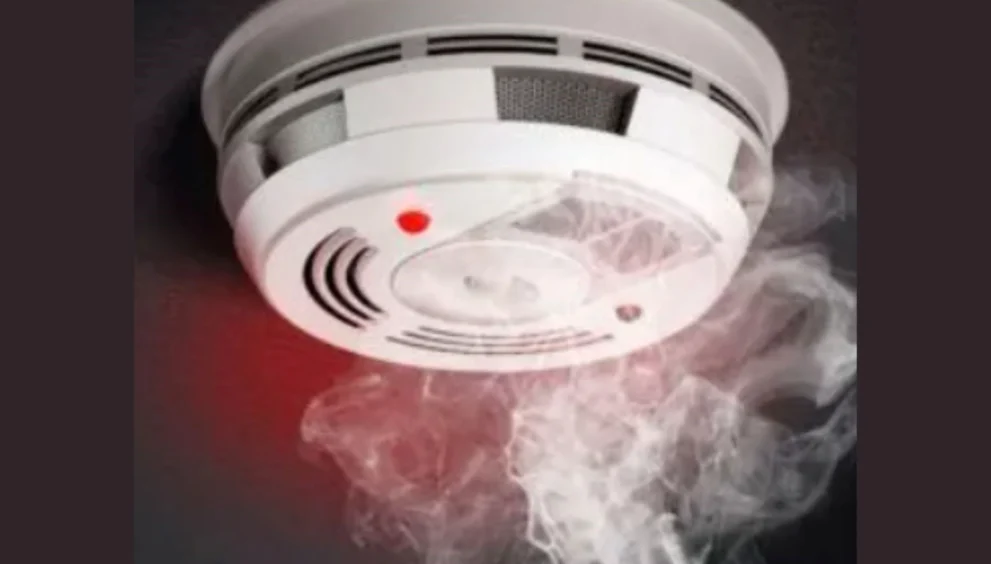
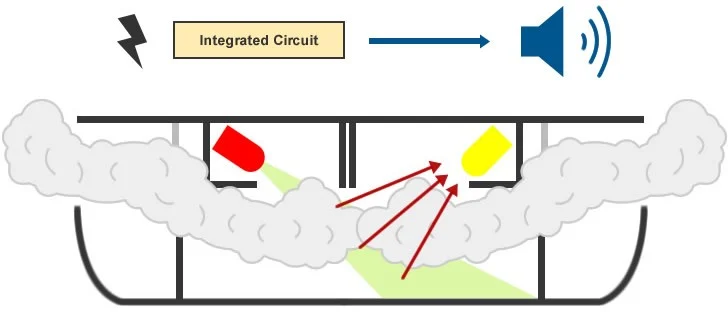
Think of smoke detectors as early watchmen. Their job? To spot smoke particles floating invisibly through the air. They use a clever principle: inside the detector, a light beam (or ionization chamber) monitors the air. When smoke particles enter, they disrupt the light or ion flow, triggering the alarm almost immediately.
This makes smoke detectors quick to alert us to smoldering fires or electrical faults—fires that may not yet have flames but produce dangerous smoke. That’s why you’ll find them in the ship’s accommodation, control rooms, and corridors—spaces where the air is relatively clean and smoke is a sure sign of trouble. Their sensitivity is a lifesaver, but it also makes them prone to false alarms in dusty or steamy settings.
Heat Detectors: The Reliable Guardians of Harsh Environments
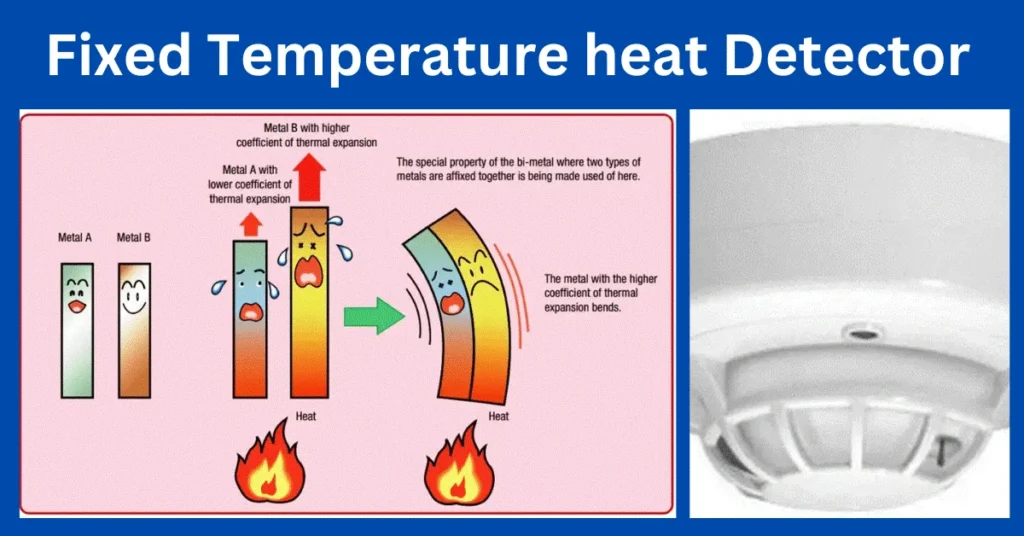
Now, picture heat detectors as the steady, reliable guardians for tougher spaces like engine rooms and galleys. These detectors don’t “see” smoke. Instead, they sense temperature changes—either when the heat crosses a fixed threshold or when it rises quickly over time.
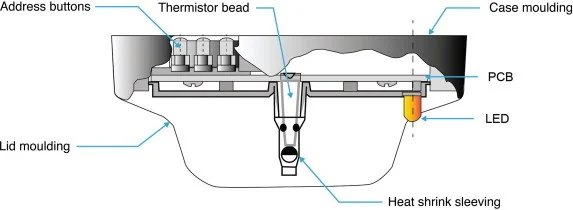
Their working principle is simple but effective: a heat-sensitive element inside expands or triggers an electrical circuit once the temperature hits the set point. Though slower to react than smoke detectors, heat detectors rarely trigger false alarms where smoke sensors would be overwhelmed by dust, oil vapors, or steam.
That’s why they’re mounted where the environment is “dirty” but the risk of fire is high. Their dependable operation in these spaces means the smoke detector isn’t the better option there.
Why Both Matter and Work Together
Onboard, these detectors are partners in safety. Smoke detectors give early warning in clean, habitable spaces, allowing the crew precious extra minutes to respond. Heat detectors stand firm in rougher spaces to reliably detect a fire’s heat signature without false alarms.
As a Chief Engineer mentoring you, I stress: never think of these devices as mere equipment. They are lifesaving technology you must understand and respect. Regular checks during rounds, knowing when false alarms might occur, and promptly acting on real alarms can make the difference between safety and disaster.
When you walk the decks, ask yourself:
- Why is a smoke detector here and a heat detector over there?
- Have these detectors been tested regularly and properly maintained?
- Do I know the alarm procedures and how to react fast?
- Am I protecting the ship and crew by staying vigilant about fire safety?
Remember, these detectors are your front line against one of the greatest dangers at sea—fire. Your awareness and care keep everyone safe.