
Life on a merchant navy ship is like no other workplace. Out on the open sea, far from land, the crew operates as a tight-knit community, relying on each other to keep the ship running and safe. At the heart of this floating world is the senior officer—captains, chief mates, or chief engineers—whose leadership can make or break the spirit of the crew. Their role isn’t just about navigating stormy seas or managing complex machinery; it’s about guiding people through long, grueling months away from home. The way senior officers lead sets the tone for everything on board, from daily operations to how the crew handles stress and challenges.
Take the example of a young seafarer struggling with homesickness during a nine-month contract. A good leader notices the subtle signs—maybe the sailor’s quieter than usual or skips meals. Some officers might bark orders and expect everyone to tough it out, but others take a different approach. They pull the seafarer aside for a quiet chat, share a story from their own early days at sea, or adjust schedules to give them a breather. These small acts of understanding can turn a rough voyage into one where the crew feels supported, not just commanded. On a ship, where every decision can mean the difference between safety and disaster, leadership styles shape more than just morale—they shape outcomes.
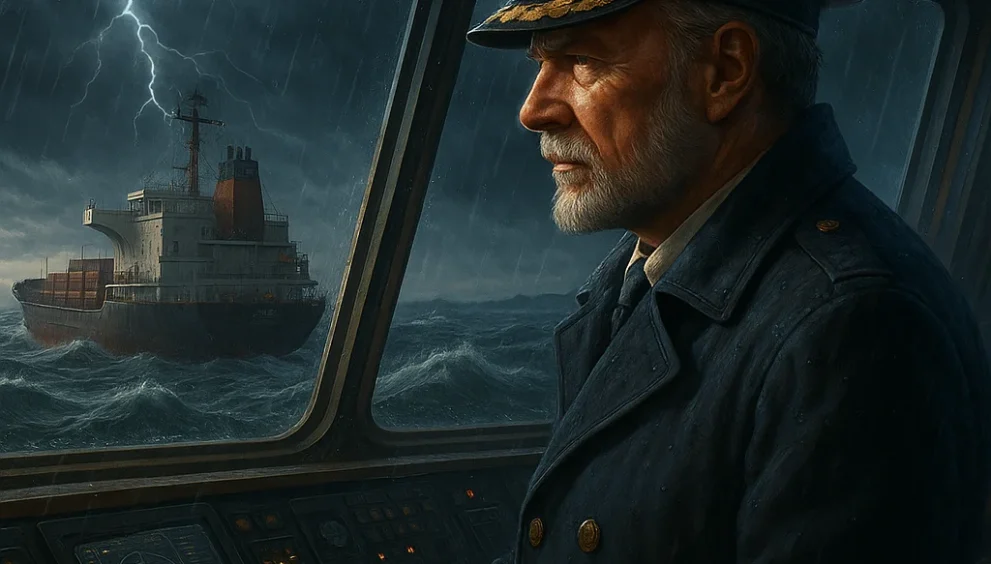
Senior officers often blend different leadership styles to fit the unique demands of life at sea. Some lean on an authoritative style, especially in high-pressure situations. When a storm hits or an engine fails, there’s no time for debate—the captain’s word is final. Crews rely on this decisiveness, trusting that years of experience back every order. But the same officer who commands with iron resolve during a crisis might switch to a democratic style during calmer moments, asking for input on daily tasks or brainstorming ways to improve life on board. This balance keeps the crew engaged and shows their ideas matter, even in a strict chain of command.
Then there’s the transformational leader, the kind who inspires. These officers don’t just manage; they motivate. They share a vision of the ship as a team working toward a common goal, whether it’s delivering cargo on time or keeping everyone safe. They celebrate small wins—like a junior engineer fixing a tricky pump or a deckhand mastering a new knot—and make the crew feel valued. This approach is vital on long voyages, where monotony can sap morale. By contrast, a laissez-faire leader, who gives the crew too much freedom, can create chaos. Without clear guidance, mistakes pile up—charts go unchecked, maintenance gets skipped, and tensions rise in the close quarters of a ship.
The best officers adapt their style to the moment and the people they’re leading. They know a one-size-fits-all approach doesn’t work when you’re managing a diverse crew from different cultures, all living together 24/7. For instance, a Filipino deckhand might respond better to a warm, personal chat, while a seasoned Russian engineer might respect a more direct, no-nonsense approach. Good leaders read these differences and adjust, building trust across the mess hall table. They also set an example—staying calm under pressure, owning up to mistakes, and treating everyone fairly, from the youngest cadet to the crustiest veteran.
Leadership at sea isn’t just about technical skills; it’s about heart. The ocean is unpredictable, and so are people. A senior officer’s ability to listen, inspire, and sometimes just share a coffee with the crew can turn a tough voyage into a story worth telling. As one captain put it, “A ship is only as strong as the people on it—and it’s my job to keep them steady, no matter the weather.” In the merchant navy, great leadership doesn’t just steer the ship; it carries the crew through the toughest storms.