

Your complete guide to rest hours for seafarers under STCW and MLC regulations. Learn the rules, avoid common violations, and master fatigue prevention onboard ships.
Introduction
Working at sea isn’t like a regular 9-to-5 job. The ocean never sleeps, and ship operations run 24/7 — which means fatigue can quietly creep in, affecting judgment, reaction time, and safety.
That’s exactly why rest hours are a legal requirement under the STCW Convention and the Maritime Labour Convention (MLC 2006).
In this definitive guide, we will break down:
- The exact STCW and MLC rest hour requirements
- How to maintain compliance onboard
- Best practices to reduce fatigue
- The real consequences of violations
By the end, you’ll know not just what the rules are, but how to make them work for you in real shipboard conditions.
- Understanding the Rules: STCW & MLC Rest Hour Requirements
STCW (Standards of Training, Certification and Watchkeeping)
According to the STCW 2010 amendments:
- Minimum Rest: 10 hours in any 24-hour period
- Minimum Weekly Rest: 77 hours in any 7-day period
- Rest can be split into no more than two periods, one of which must be at least 6 hours
- The gap between two rest periods cannot exceed 14 hours
MLC 2006 (Maritime Labour Convention)
MLC reinforces the same figures but adds strict record-keeping requirements:
- Daily rest hours must be recorded in an official format
- Records must be signed daily by both the seafarer and the master or authorised officer
- Copies must be kept onboard for at least 3 years for inspection
Pro Tip: PSC and RightShip inspectors will cross-check your rest hour logs with the gangway log, engine room log, and work permits. Inconsistencies = guaranteed deficiency.
- Why Rest Hours Matter More Than You Think
It’s easy to think of rest hours as “just paperwork” — until fatigue causes a costly incident. Studies show that seafarers working without adequate rest experience:
- 40% slower reaction times
- Poorer decision-making in emergencies
- Increased risk of navigational errors and machinery accidents
Fatigue has been linked to some of the biggest maritime disasters. Protecting rest hours protects lives, cargo, and careers.
- Common Challenges in Maintaining Rest Hour Compliance
Despite clear rules, real life at sea often interferes:
- Tight port schedules with long cargo operations
- Small crew sizes making it hard to rotate duties
- Unplanned breakdowns or emergencies
- Multiple inspections in a short period
- Senior officers “adjusting” logs to look compliant, risking bigger problems later
Best Practices to Stay Compliant Onboard
a) Plan Watch Schedules in Advance
Use rest hour planning tools integrated with your ship’s PMS. Keep heavy workload tasks evenly distributed.
b) Monitor Daily, Not Weekly
Checking only at week’s end is a recipe for violations. Senior officers should track rest hours daily.
c) Use Exception Clauses Properly
STCW allows exceptions for drills, emergencies, and overriding operational conditions — but misuse will be caught by inspectors.
d) Keep Transparent Records
Never “back-fill” logs to cover breaches. If a breach is unavoidable, document the reason honestly.
Practical Tips for Seafarers to Avoid Fatigue
- Take power naps during off-watch periods
- Avoid heavy meals and caffeine close to rest time
- Keep your cabin dark, cool, and quiet
- Use earplugs and blackout curtains in noisy or bright environments
- Limit screen time before sleeping to improve sleep quality
Role of the Master and Senior Officers
- Lead by example — if you don’t respect your rest hours, no one else will
- Adjust work assignments to balance high workload periods
- Encourage crew to report fatigue without fear of blame
Consequences of Ignoring Rest Hour Rules
Non-compliance can result in:
- Detentions during Port State Control inspections
- Negative RightShip ratings impacting future charters
- Increased accident risk
- Reputational and career damage for both ship and crew
Quick Reference Rest Hour Checklist
Minimum 10 hours rest in 24 hours
Minimum 77 hours rest in 7 days
Rest split into no more than 2 periods (one at least 6 hours)
Interval between rest periods ≤ 14 hours
Daily signed records, stored for 3 years
Logs match other ship records
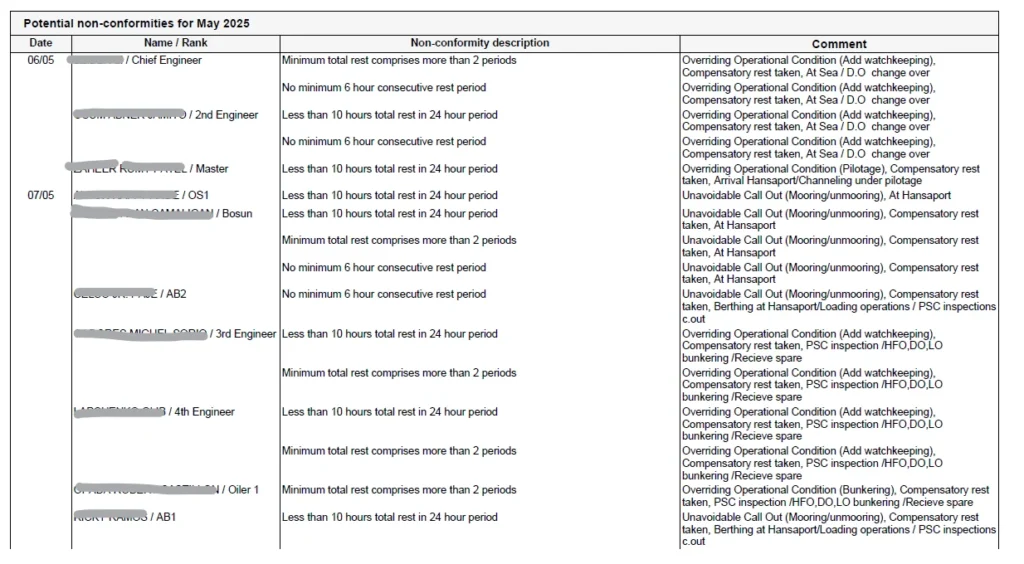
What to Do If Non-Compliance Happens
- Record it honestly in the rest hour log (paper or electronic) — mark the breach clearly.
- State the reason in the remarks section (e.g., “Emergency cargo operation”, “Unexpected machinery breakdown”).
- Inform the Master immediately — Master to review and confirm.
- Notify the company/DP via email or non-conformity report (per SMS procedures).
- File it onboard in the Non-Conformity/Incident folder for future audits.
- Review duty schedules to prevent repeat occurrence.
Conclusion
Rest hours aren’t just about ticking off a checklist — they’re about protecting safety, compliance, and your own well-being. By following STCW and MLC requirements, planning schedules realistically, and fostering a fatigue-aware culture onboard, you’ll not only meet regulations but also contribute to a safer and more efficient voyage
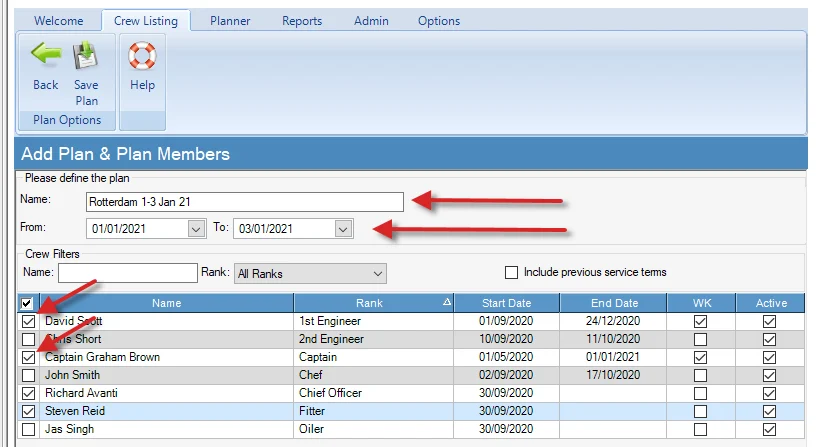
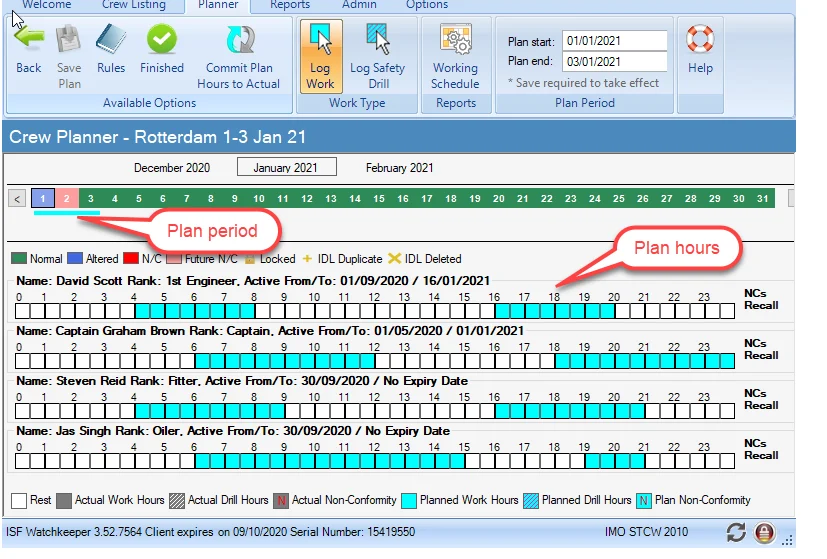
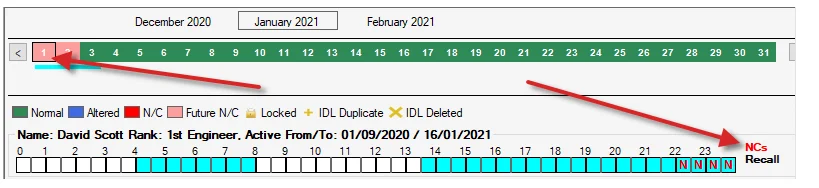
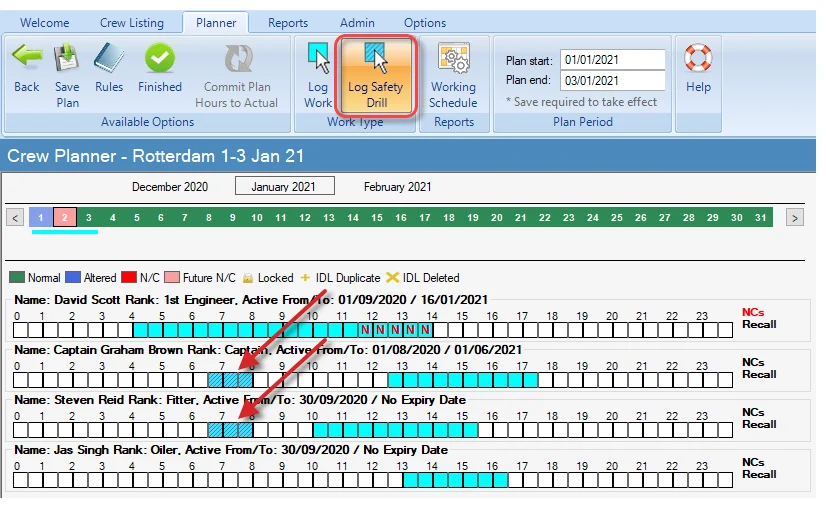
Below are screenshots with reference to ISF watchkeeper software used onboard a vessel, Please note this is only for reference and educational purposes only.
Below is a sample email of rest hours NC notification to the office ,
Dear Capt. XXXX,
Good day,
Please find attached NC with rest hours due to ship’s operation in port of PDM including Hydraulic pipe line leakage , anchor fouling , clearing the anchor foul with barge assistance, Berthing ,
Loading operations, Un-berthing , Channel transit on departure.
Thank You & Kind Regards,
Capt. Zaheer Patel
Master of MV ABCD
Dear Capt. Zaheer Patel,
Good Day,
Thank you. Non-conformance to rest hours well noted. The rest hours violations have occurred due to operational matters which required to be attended to and adequate compensatory rest was given to the crew member.
Kindly note the following:
– Please discuss SMS Doc – Rest Periods with the SMT onboard during the next safety meeting;
– Kindly ensure that the compensatory rest hour provided is also mentioned in the ISF watchkeeper for ready reference during 3rd party inspections;
– A printout of this email to be filed along with the rest hour records.
We would appreciate that all efforts are taken by way of planning to avoid/minimize Non-Conformance.
Best & Kind Regards,
ABCDE
Marine Superintendent, Fleet Team